Which symptoms mean a gearbox should be checked?
A gearbox rebuild starts by listening to the car. A gear that crunches on engagement, especially when cold or on a downshift, usually points to a tired synchro. A gear that jumps out on the overrun suggests worn dog teeth or a worn selector fork; a whine that changes with road speed, a bearing or the crown wheel and pinion; a clunk when you get back on the throttle, play somewhere in the driveline. A vague or heavy change is sometimes no more than a matter of linkage and bushes.
The workshop therefore begins with a road test, then checks the oil level and condition — particles on the drain plug, often magnetic, tell their own story — and inspects the clutch, which is frequently behind difficult changes. Removal is only proposed after that, with a quote itemised line by line.
Rebuilding a manual gearbox: what is checked
Once the gearbox is out and opened, every part is cleaned, inspected and measured. Photographs of the worn parts are sent to you before new parts are ordered, and nothing is replaced without your agreement.
- Synchromesh: rings and cones, dog teeth, sliding sleeves, wear recorded for each gear.
- Gears: condition of the teeth, pitting, flaking, contact pattern.
- Shafts and bearings: ball, roller and needle bearings, end float.
- Selector forks, rails, interlocks and detent balls.
- Differential and crown wheel and pinion: contact pattern and preload, limited-slip differential checked where fitted.
- Sealing: oil seals, casing gaskets, breather.
- Shift mechanism: lever, ball joint, linkage, bushes and couplings, where the precision of the change is so often decided.
Automatic gearboxes in classic cars
The automatic gearboxes of the 1960s to the 1990s — in the Mercedes Pagoda and the great German saloons, in Jaguars, and in the Rolls-Royce Silver Shadow, fitted for the most part with a gearbox of General Motors origin — are robust provided they are looked after. The work begins with a fluid change, a check of the fluid and filter, adjustment of the cables and selector, then a careful road test focused on shift points, slipping and harsh changes.
If the symptoms persist after these adjustments, the workshop sets out the options for rebuilding the gearbox, costed line by line. Parts are original, of equivalent quality or reconditioned, and their origin is stated on the quote.
Automated manuals and dual-clutch gearboxes: diagnosis and adaptation
Single-clutch automated gearboxes — Ferrari F1, Lamborghini e-gear, BMW SMG — and dual-clutch units such as Porsche PDK or the Ferrari and McLaren DCT combine mechanics, hydraulics and electronics. Diagnosis covers fault codes, the condition of the hydraulics and the pump, clutch wear where the control unit records it, then the adaptation procedures: learning the bite point, calibrating the positions.
Depending on the case, the work concerns the clutch, the sensors, the actuator, the pump or the fluids; on a Ferrari, it often goes hand in hand with a clutch replacement. Where the fault lies within the mechatronic unit, the possible solutions and their consequences are explained to you before any decision is taken.
Which oil for a classic gearbox?
The question comes up often, and it matters. Many older gearboxes have brass or bronze synchros, and some heavily additised modern oils, designed for hypoid axles, do not suit them. Others share their oil with the differential and require a precise viscosity and specification. The workshop follows the manufacturer’s recommendation, or its recognised modern equivalent, and records the product used on the invoice.
Automatic and dual-clutch gearboxes each have their own specific fluid, sometimes split between two separate circuits: nothing is mixed, nothing is approximated.
Gearboxes rebuilt in the workshop
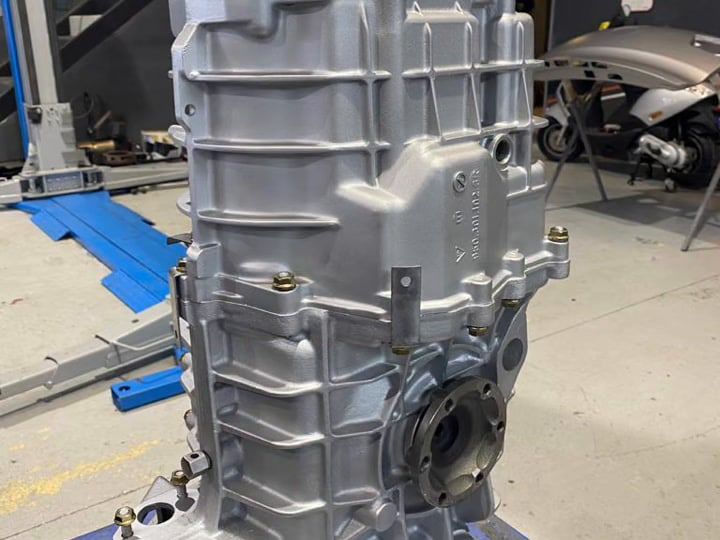
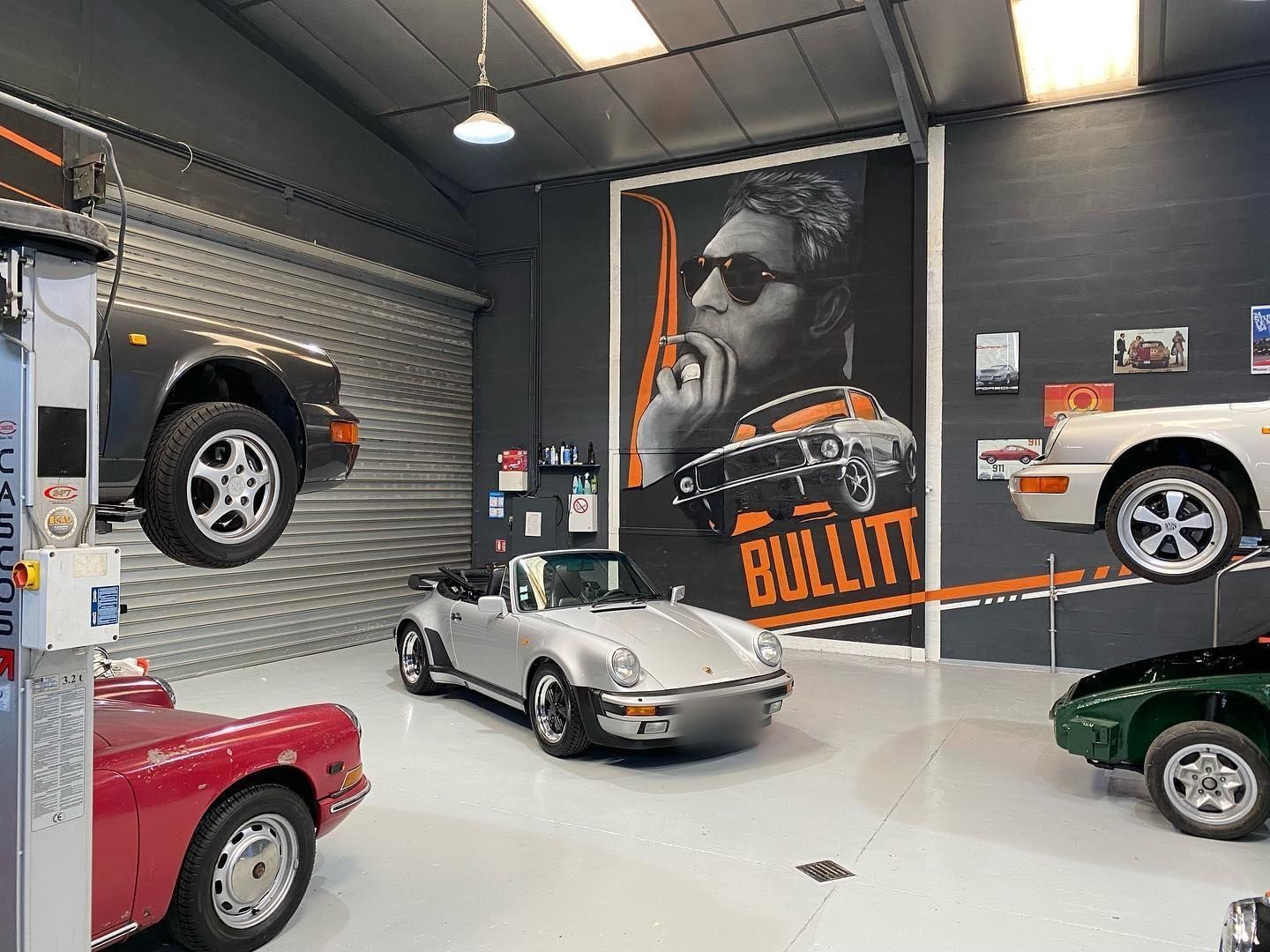
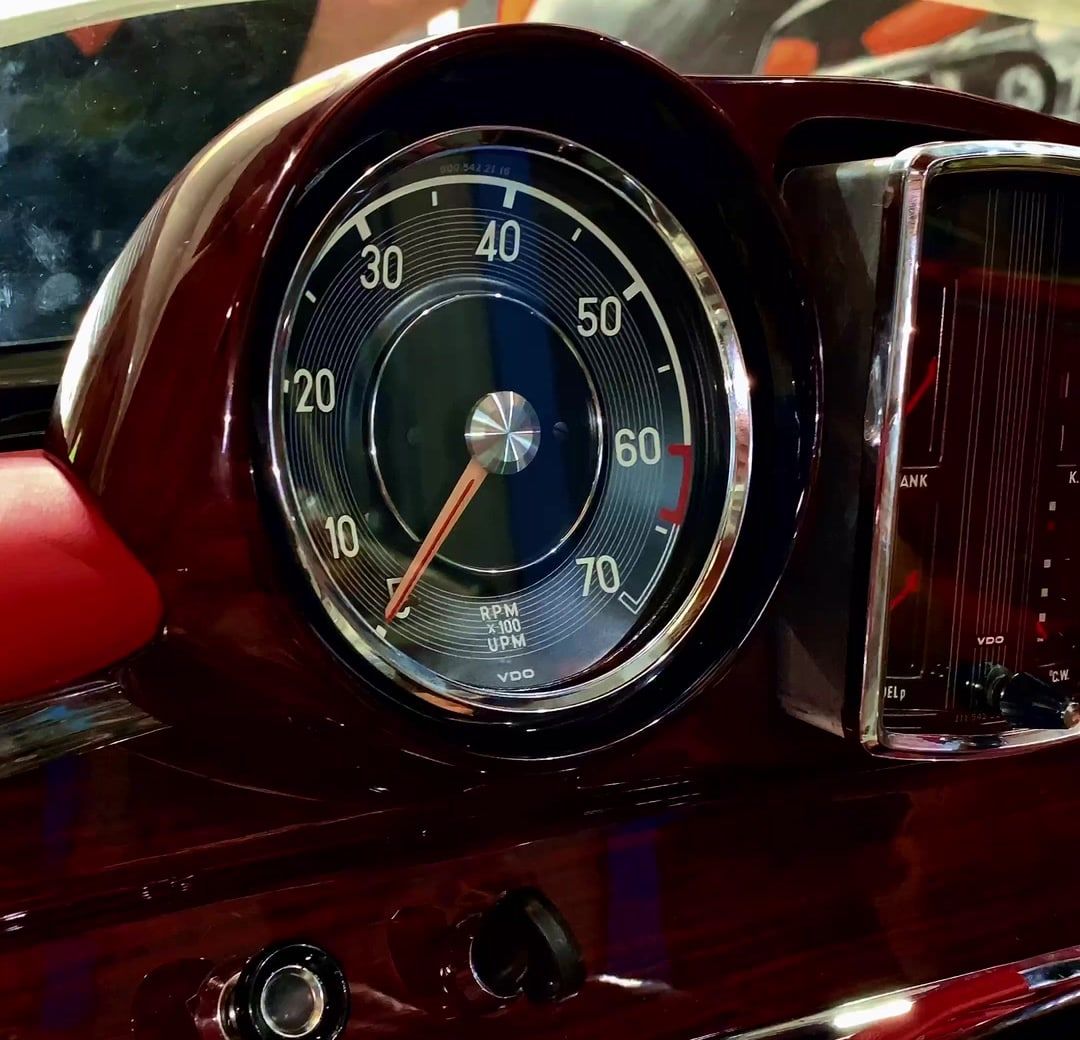
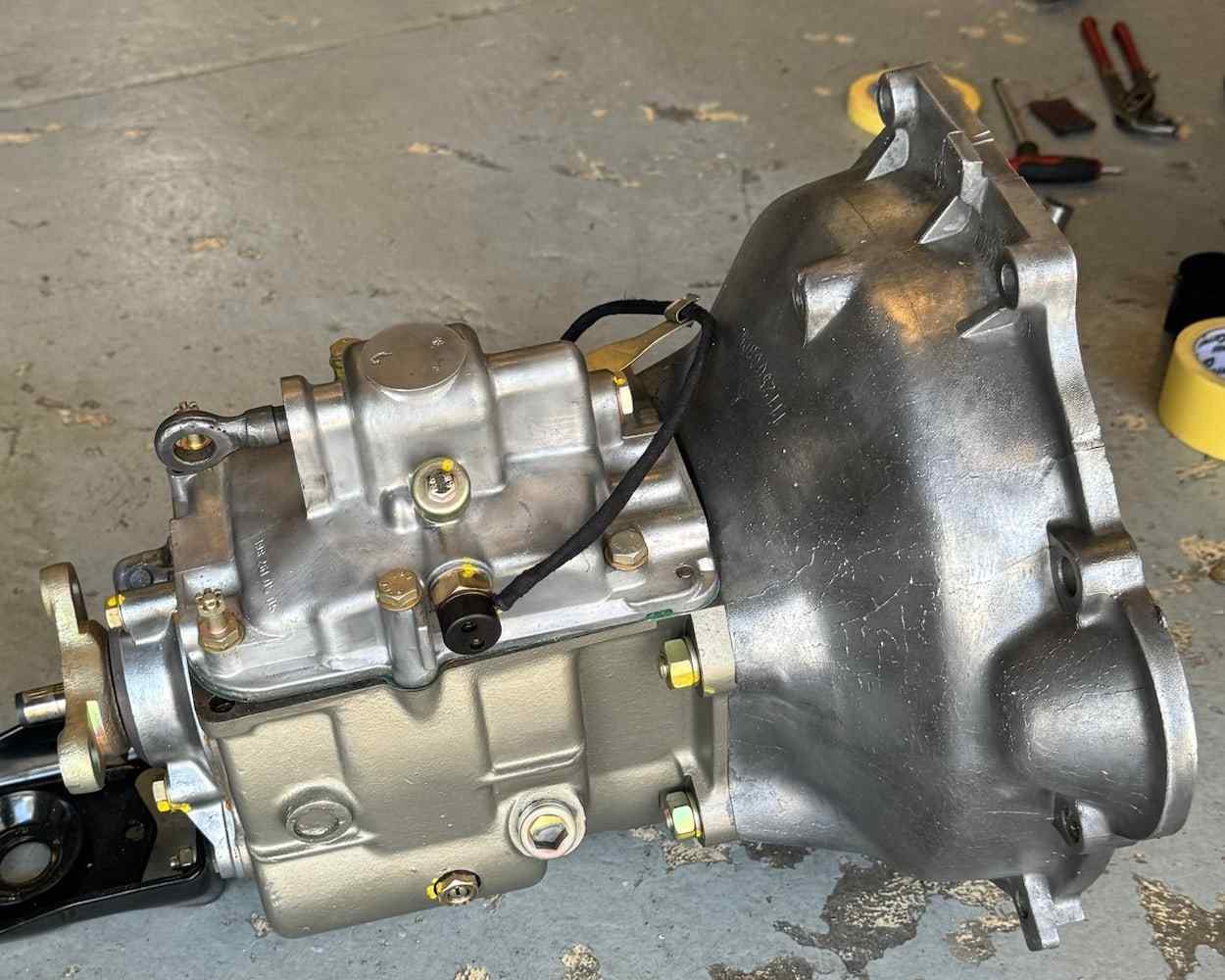
On the 930 Turbo Cabriolet 1989, the five-speed G50 gearbox, which the Turbo received in that very year, was rebuilt during the restoration. The Mercedes 220 SEb Cabriolet had its gearbox rebuilt at the same time as its six-cylinder engine. The particularities of the 901, 915 and G50 gearboxes are covered on the Porsche gearbox page.
When the engine is removed for an engine rebuild, checking the gearbox and clutch at the same time avoids a second removal and gives a consistent driveline, with no new part working alongside a tired one.