What are the stages of a classic car restoration?
A full classic car restoration follows an order that cannot be rushed. Each stage prepares the next, and a mistake made early on is paid for at reassembly. This is how a nut-and-bolt restoration is carried out at the workshop.
- Initial survey: body, mechanics, interior, matching of numbers and paperwork; it forms the basis of an itemised quote.
- Dismantling and inventory: every part is photographed, labelled and stored, from the trim panels to the smallest screw.
- Stripping and treating the shell: taken back to bare metal, then protected straight away with primer so the steel cannot oxidise.
- Metalwork: corroded sections replaced (floors, sills, wheel arches), body dimensions and panel gaps checked.
- Paint: primers, successive flatting, colour, then clear coat or solid lacquer according to the period, and a final polish.
- Mechanics: engine, gearbox, brakes, suspension, fuel tank and lines, rebuilt or checked according to their condition.
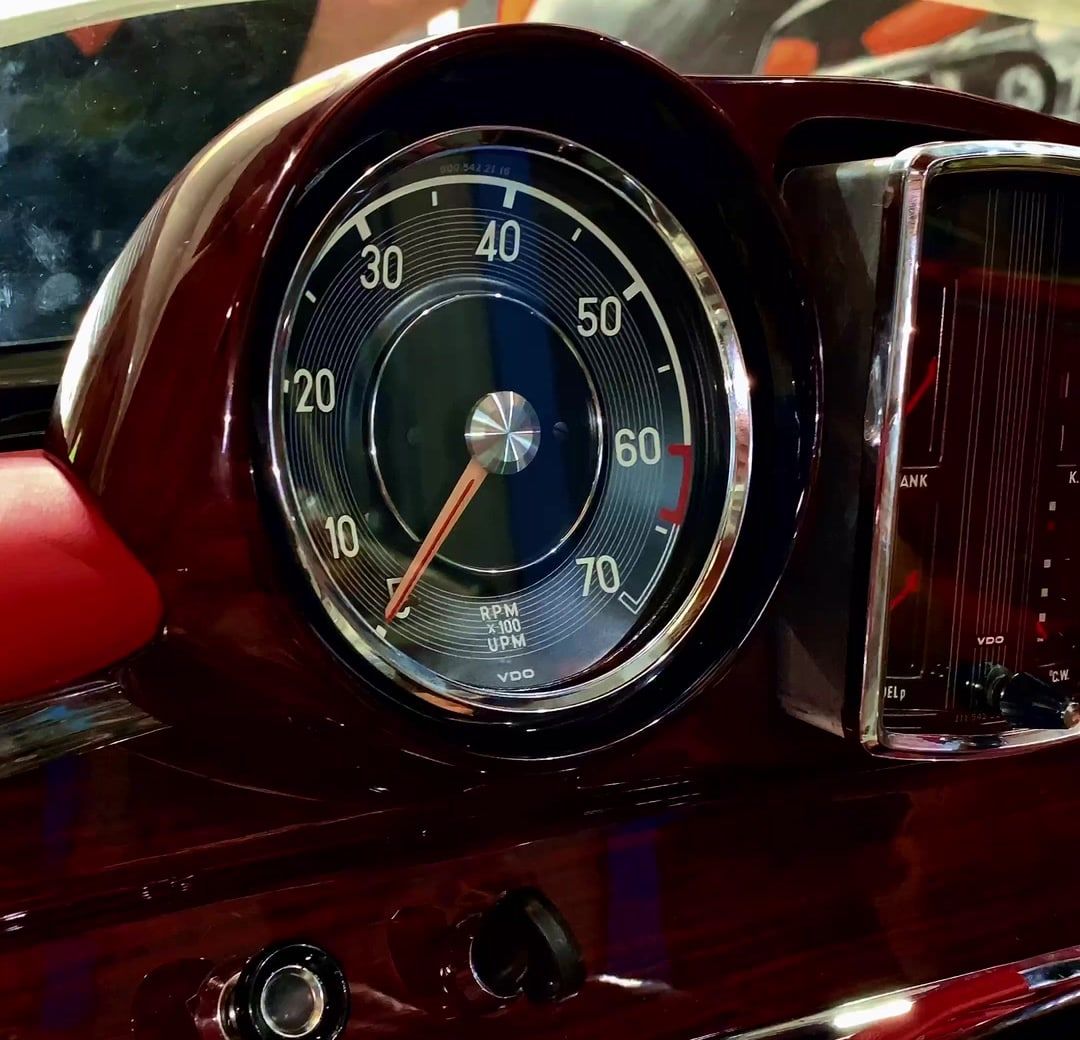
- Trim and brightwork: seats, panels, carpets, headlining; bumpers, hubcaps and mouldings rechromed or replaced.
- Reassembly, set-up and testing: looms, seals and glass, then alignment, engine tuning and road tests until everything is right.
Concours-correct restoration or restomod?
Restoring to original means returning the car to how it left the factory: the period colour traced from its paint code, the correct materials and grain of leather or cloth, the finish of mechanical parts, the fasteners. The aim is then to keep the car matching numbers, with an engine and gearbox whose numbers correspond to the original chassis. On a sought-after car, this often carries the most weight in its value.
A restomod starts from a different idea: keep the silhouette and the spirit, modernise what serves the driving, such as braking, suspension or comfort. The workshop does both, and bespoke builds have their own page. One rule applies: the decision is made before dismantling, not halfway through.
Body, paint, engine: the stages that decide
The shell governs everything else. Once stripped to bare metal, it reveals old repairs, hidden corrosion and distortion. Then comes classic car paintwork, where preparation takes far longer than the application itself, followed by rechroming of brightwork, which gives bumpers and hubcaps their depth back.
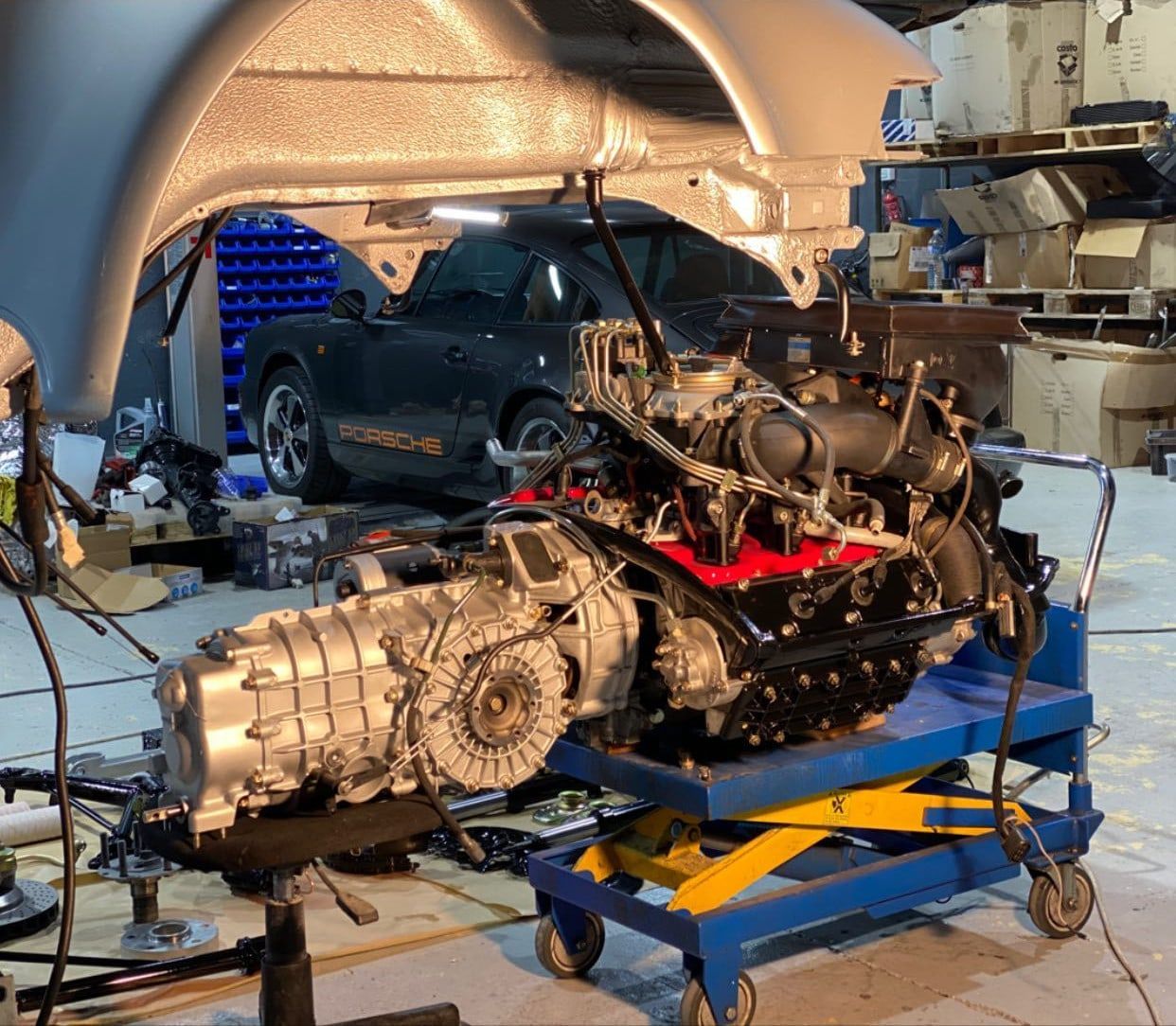
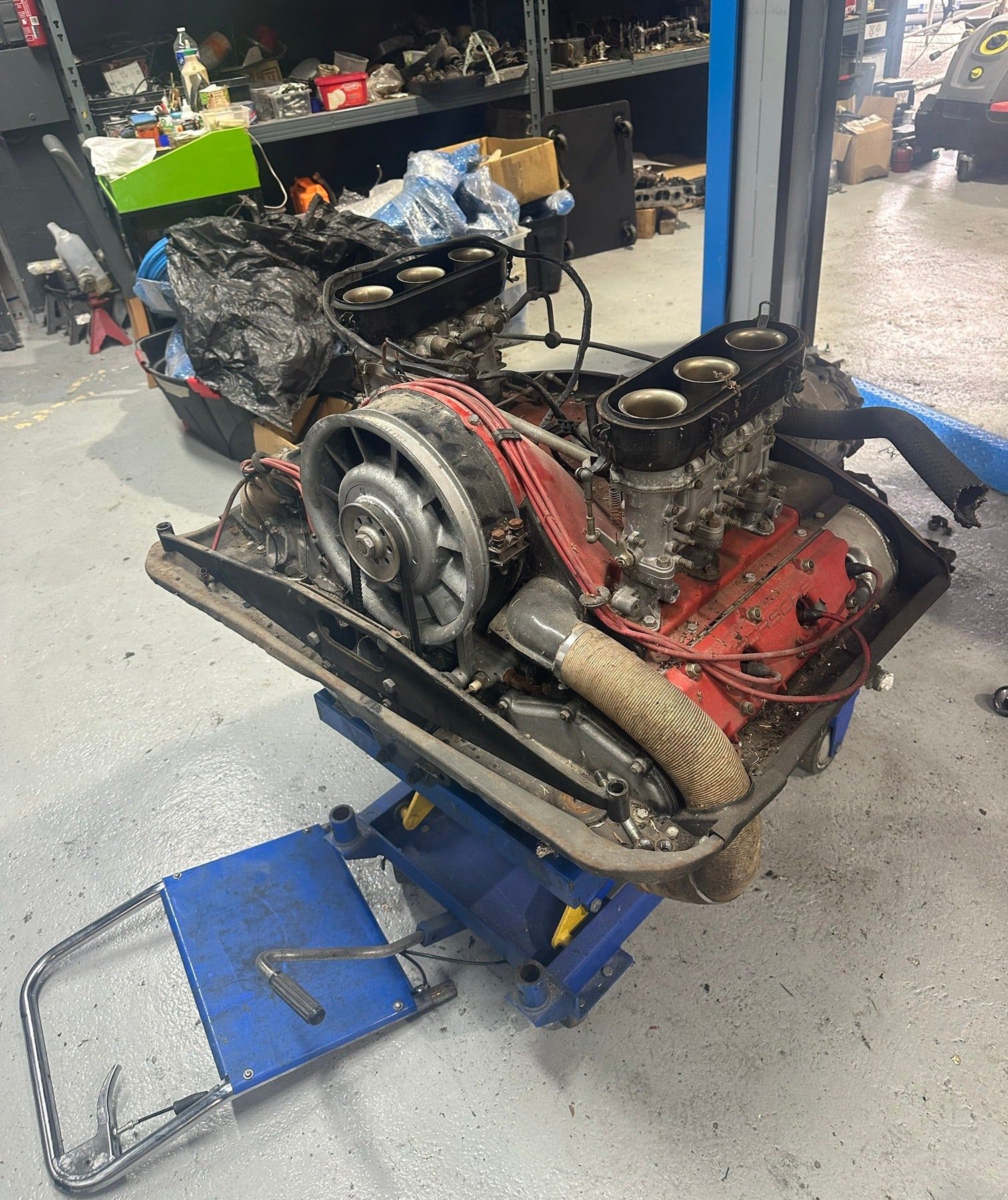
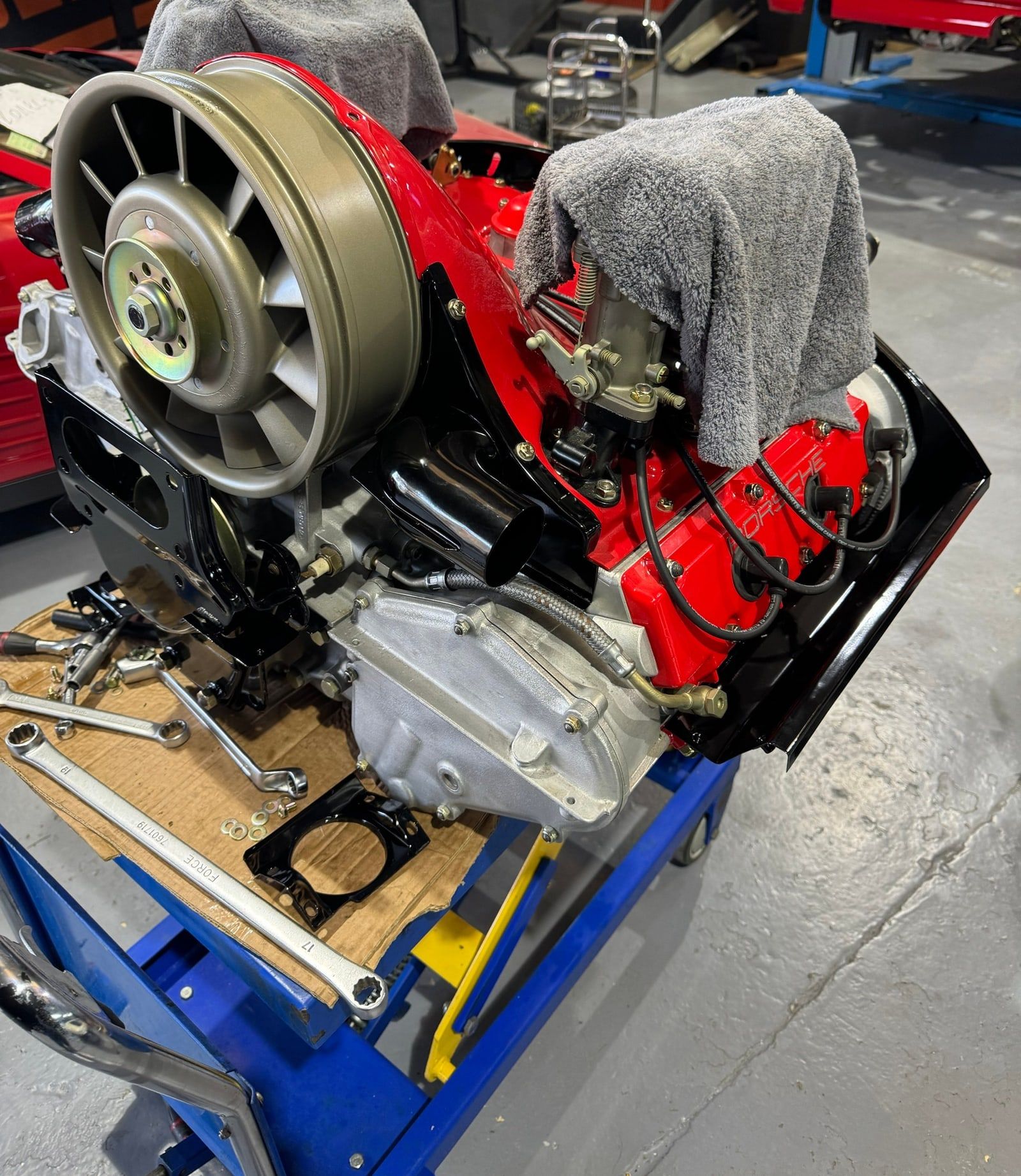
On the mechanical side, the engine rebuild is often the most technical stage: full strip-down, measurement of tolerances, replacement of wearing parts, reassembly to the specified torque settings.
Restorations carried out at the workshop
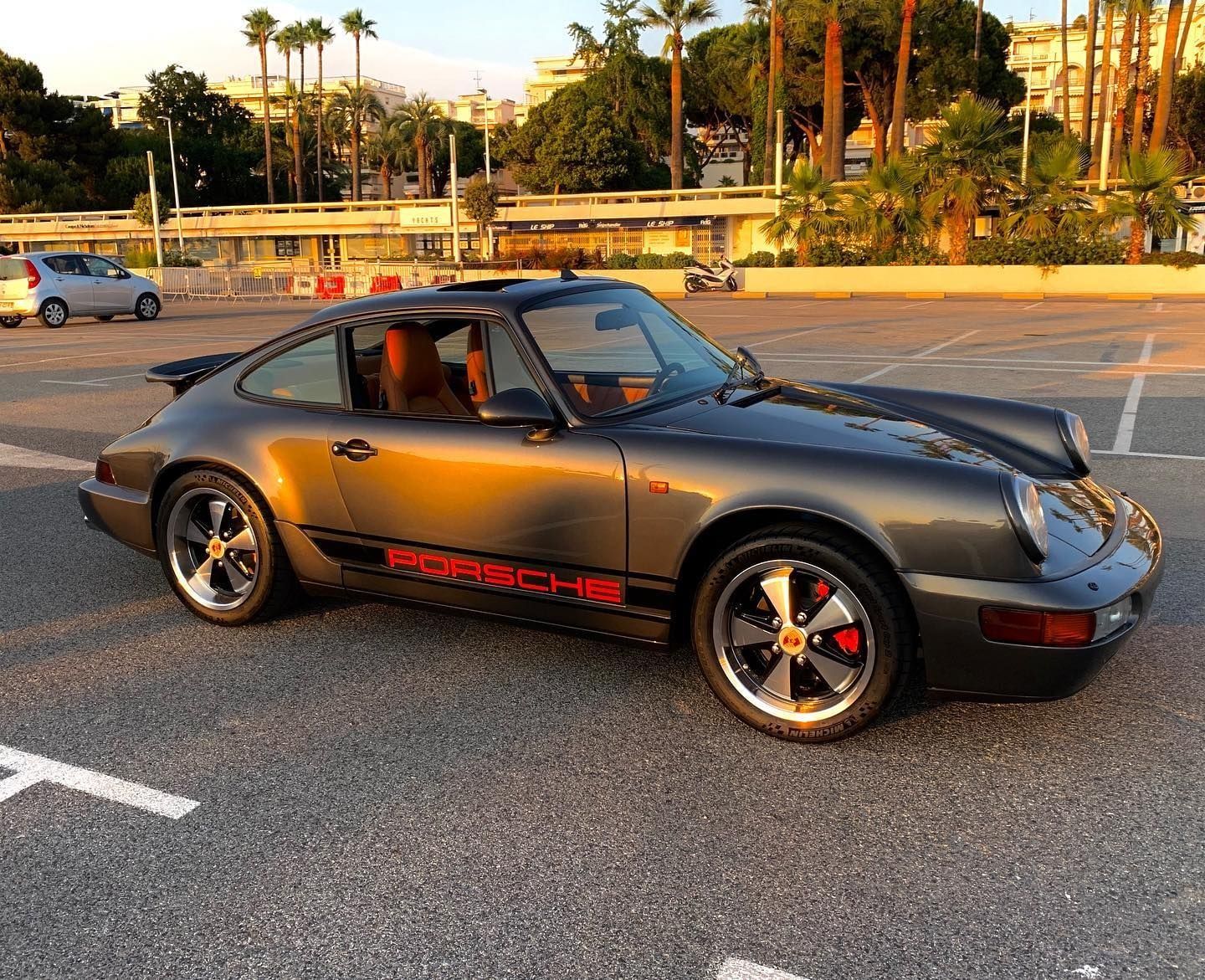
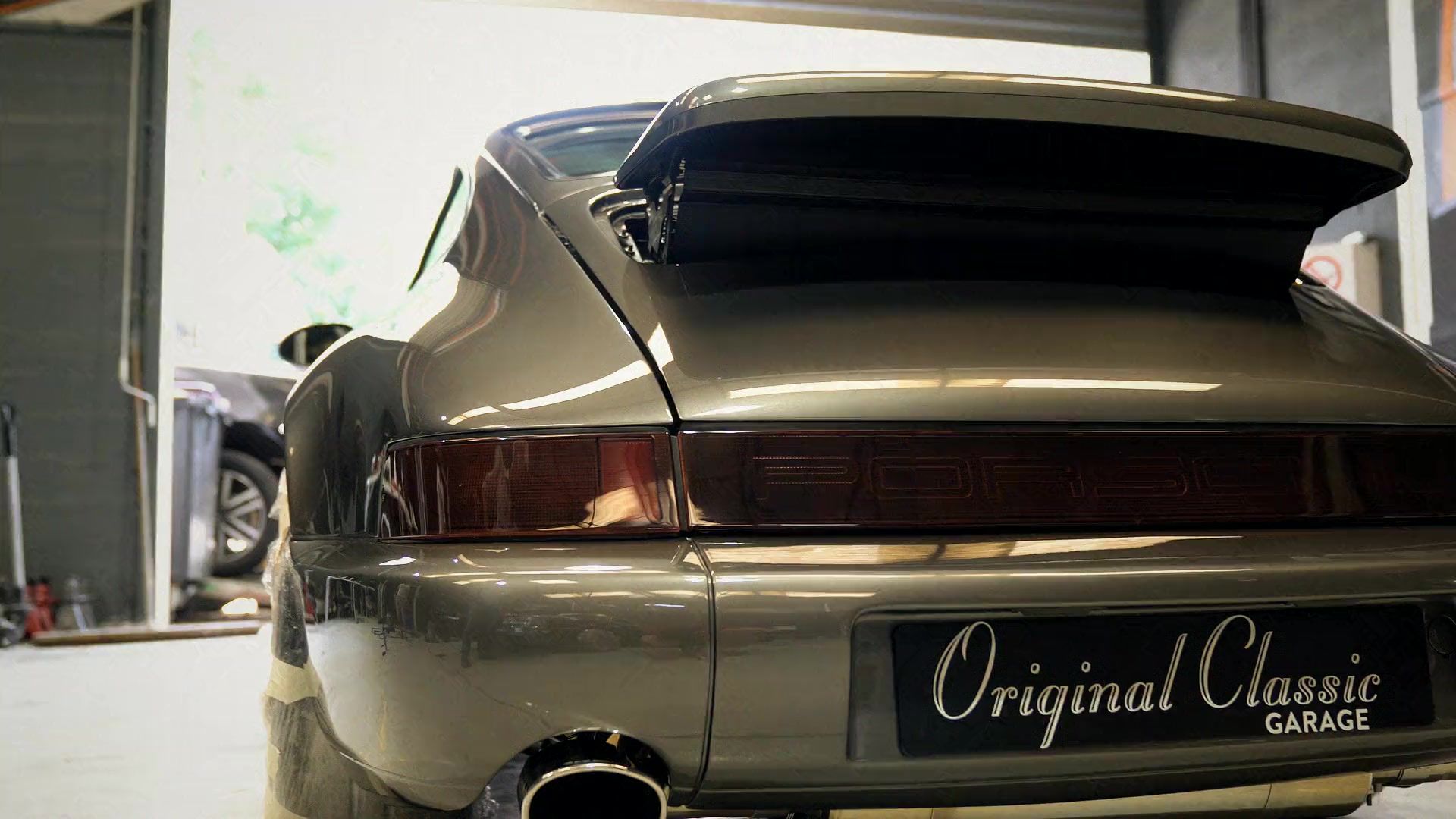
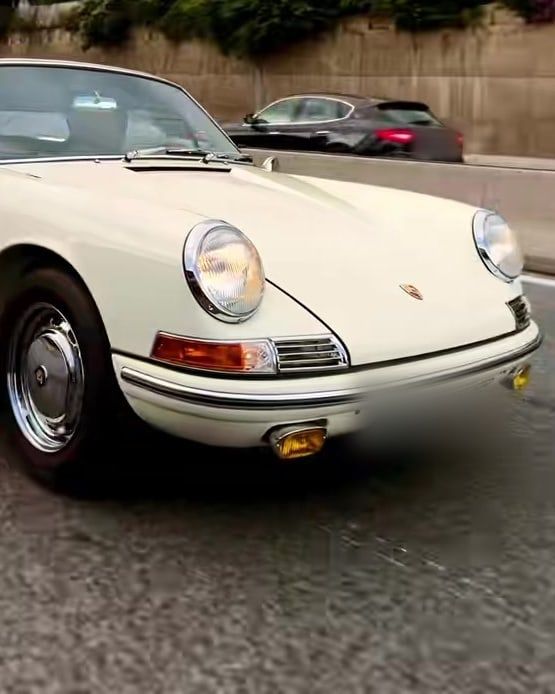
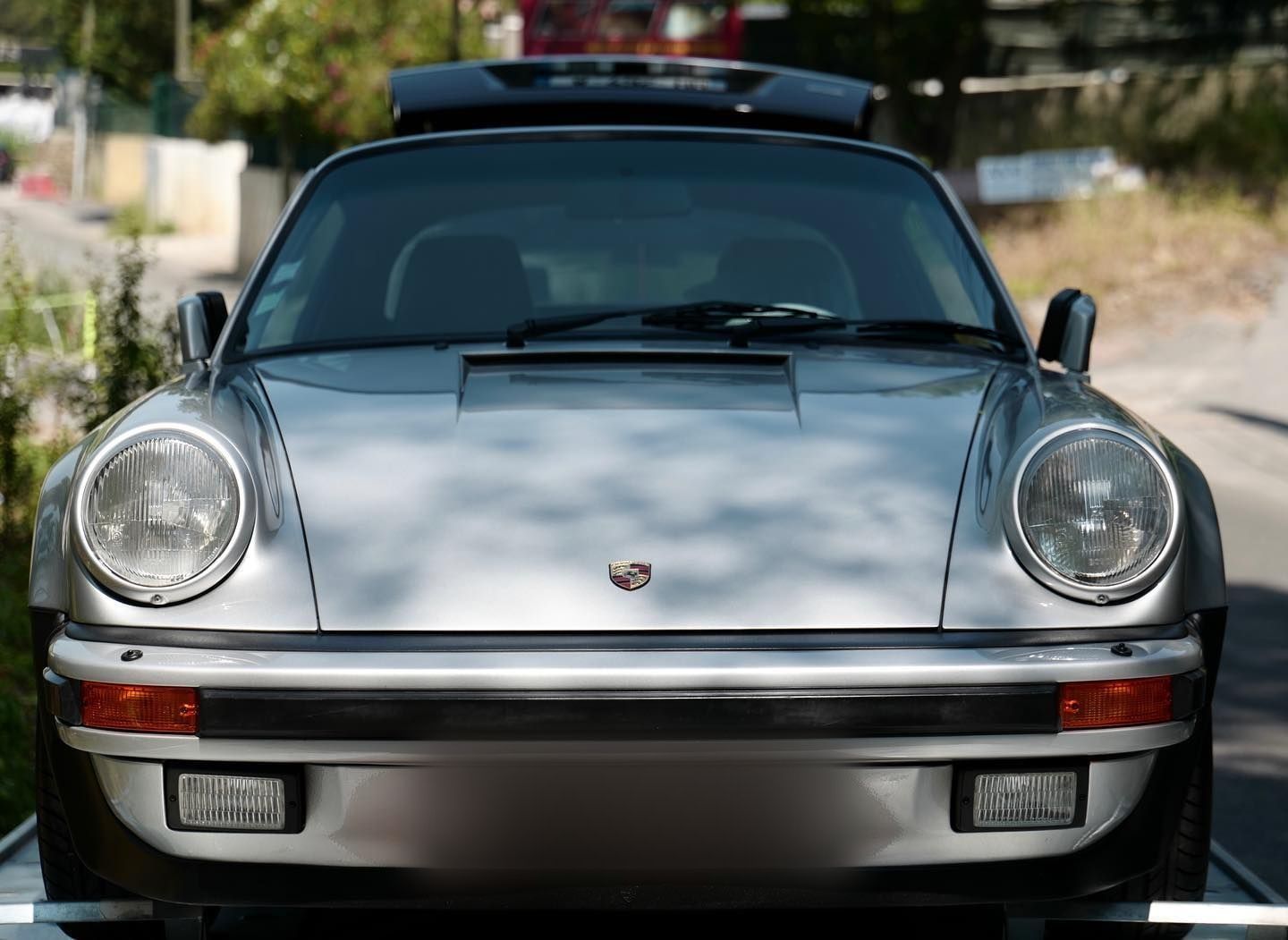
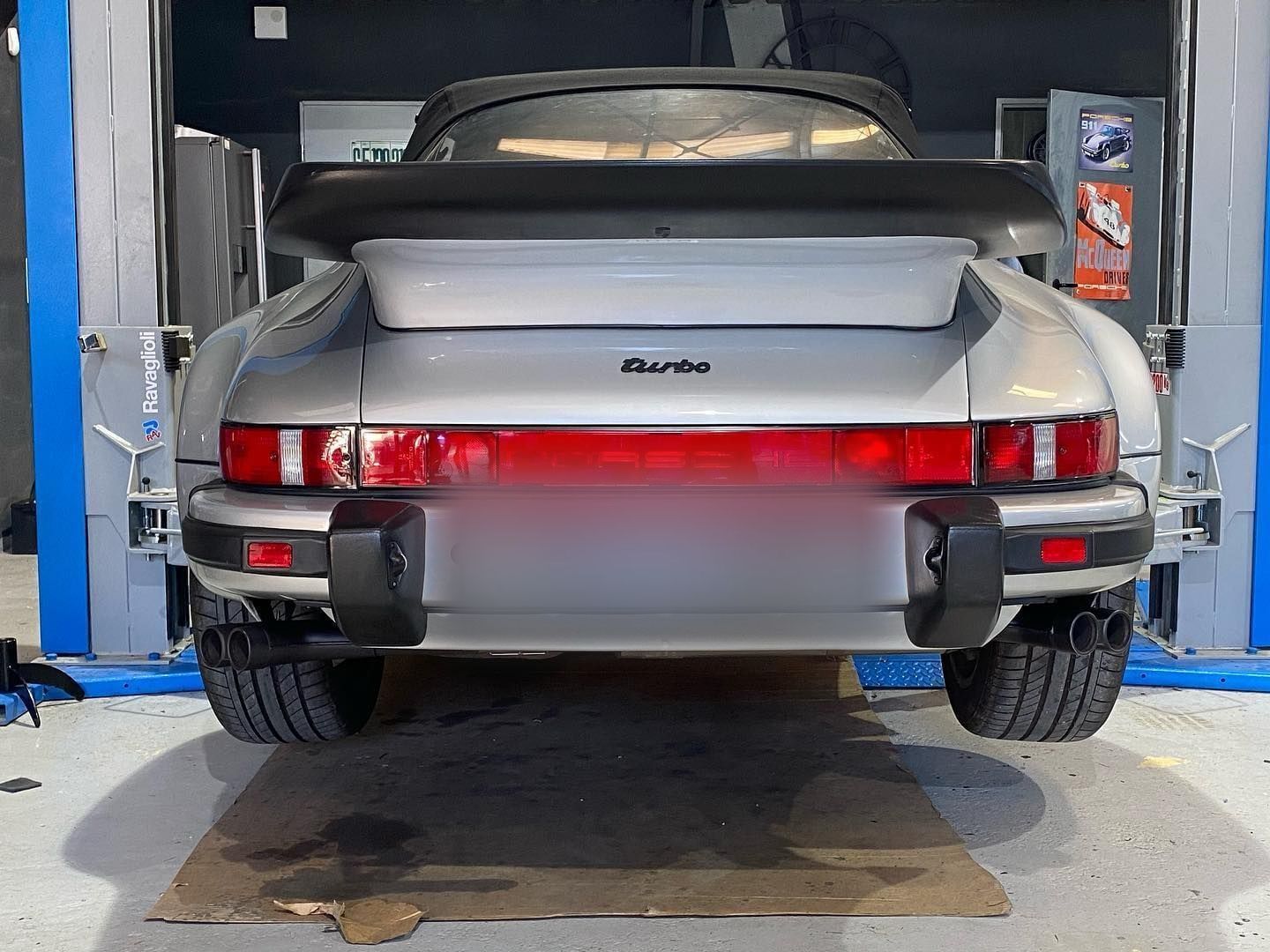
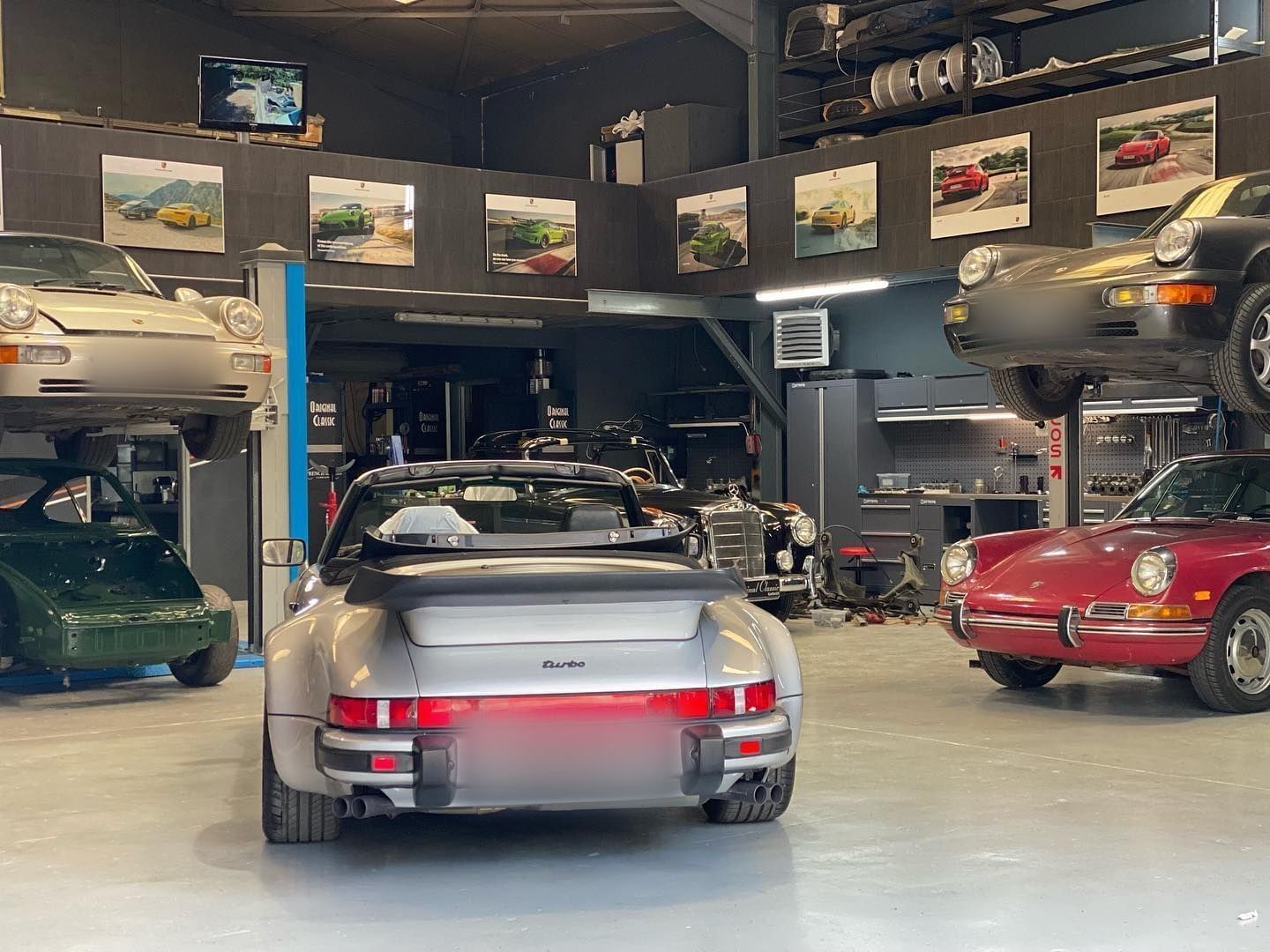
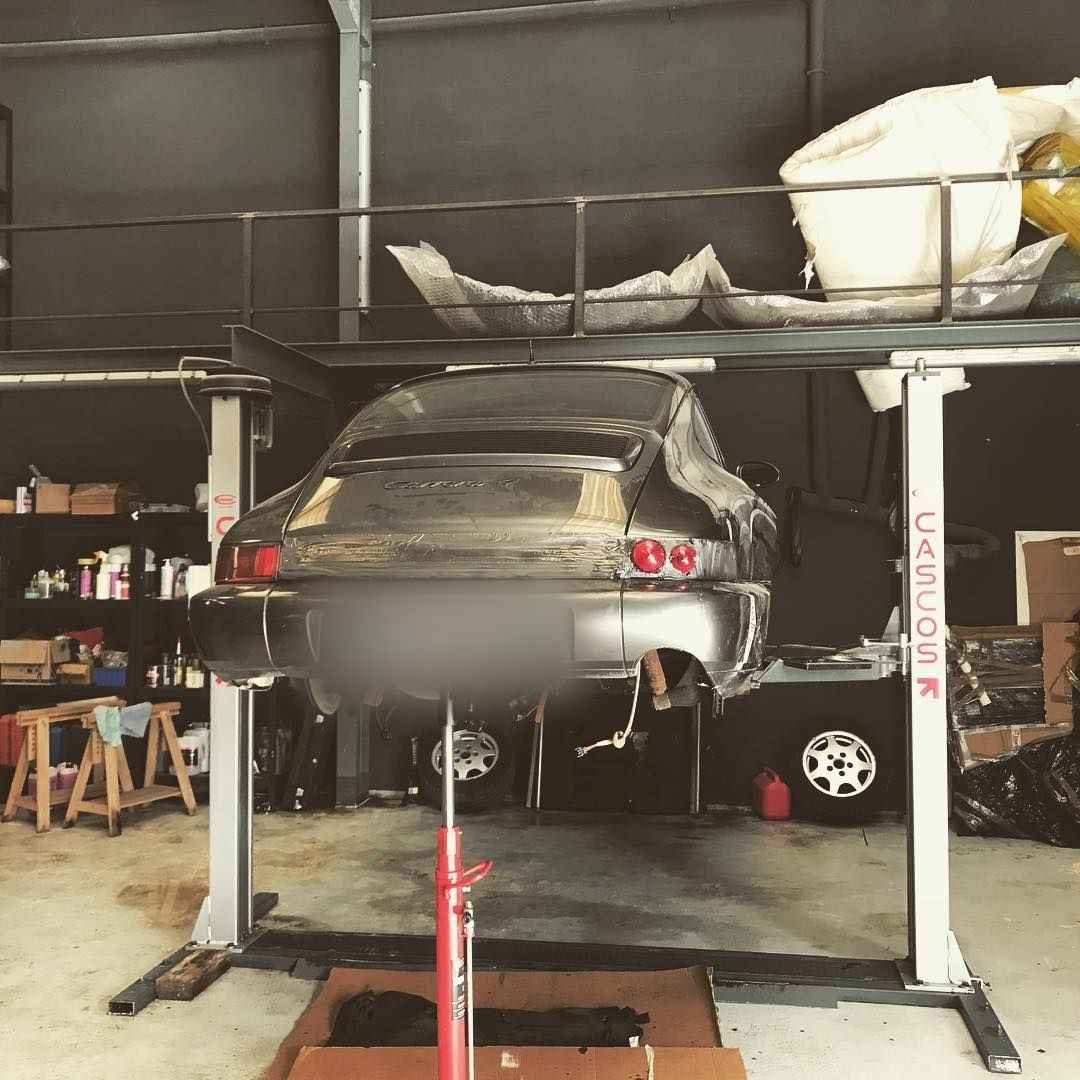
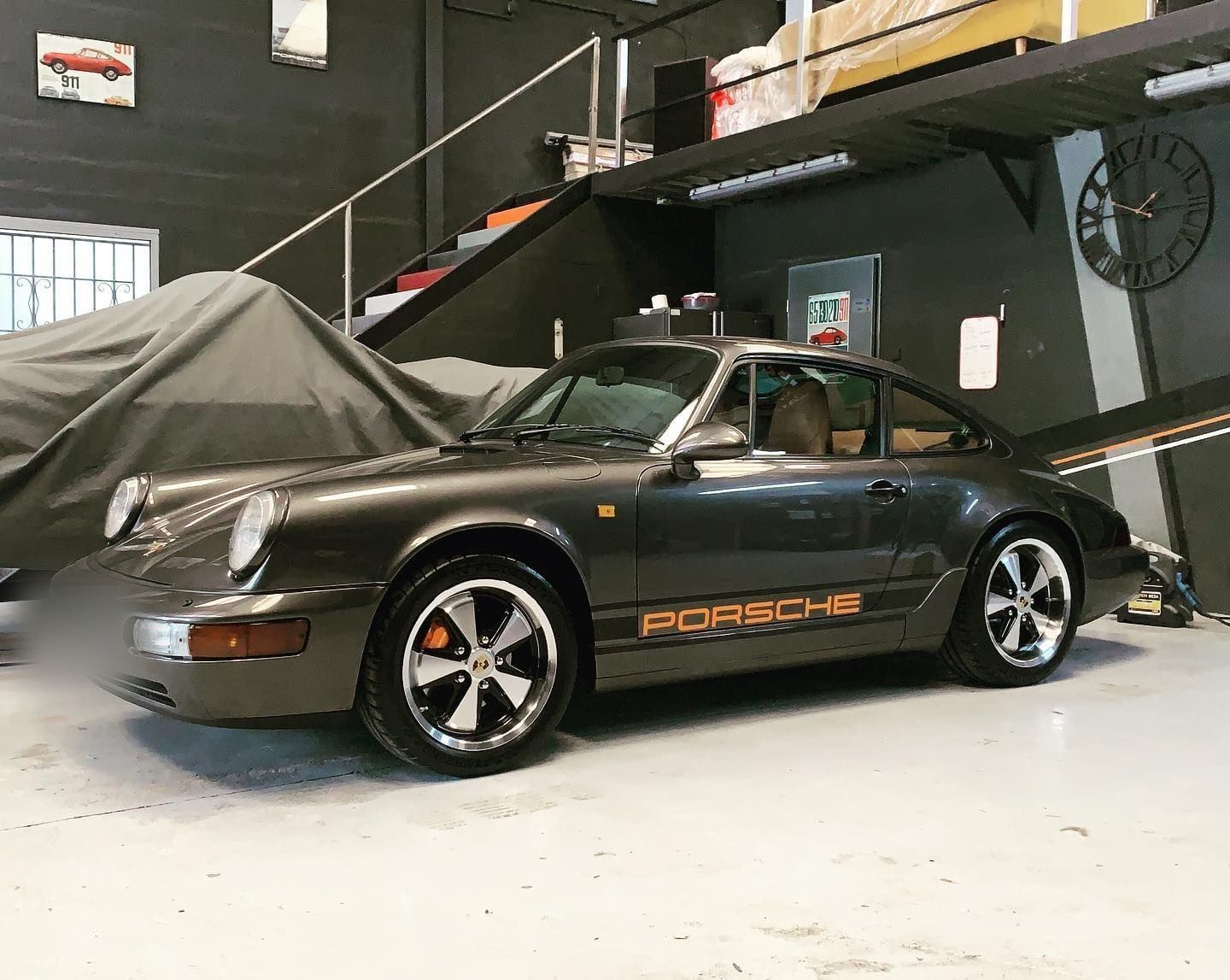
The 1989 Porsche 930 Turbo Cabriolet was taken back to a bare shell: metalwork, paint, engine, G50 gearbox, brakes and suspension. The 1967 911 S Targa “soft-window” received a blasted shell, ivory paint and a rebuilt engine. The 964 Carrera 4 left with cognac leather upholstery and a quilted leather front luggage compartment. The approach specific to the marque is described under classic Porsche restoration.
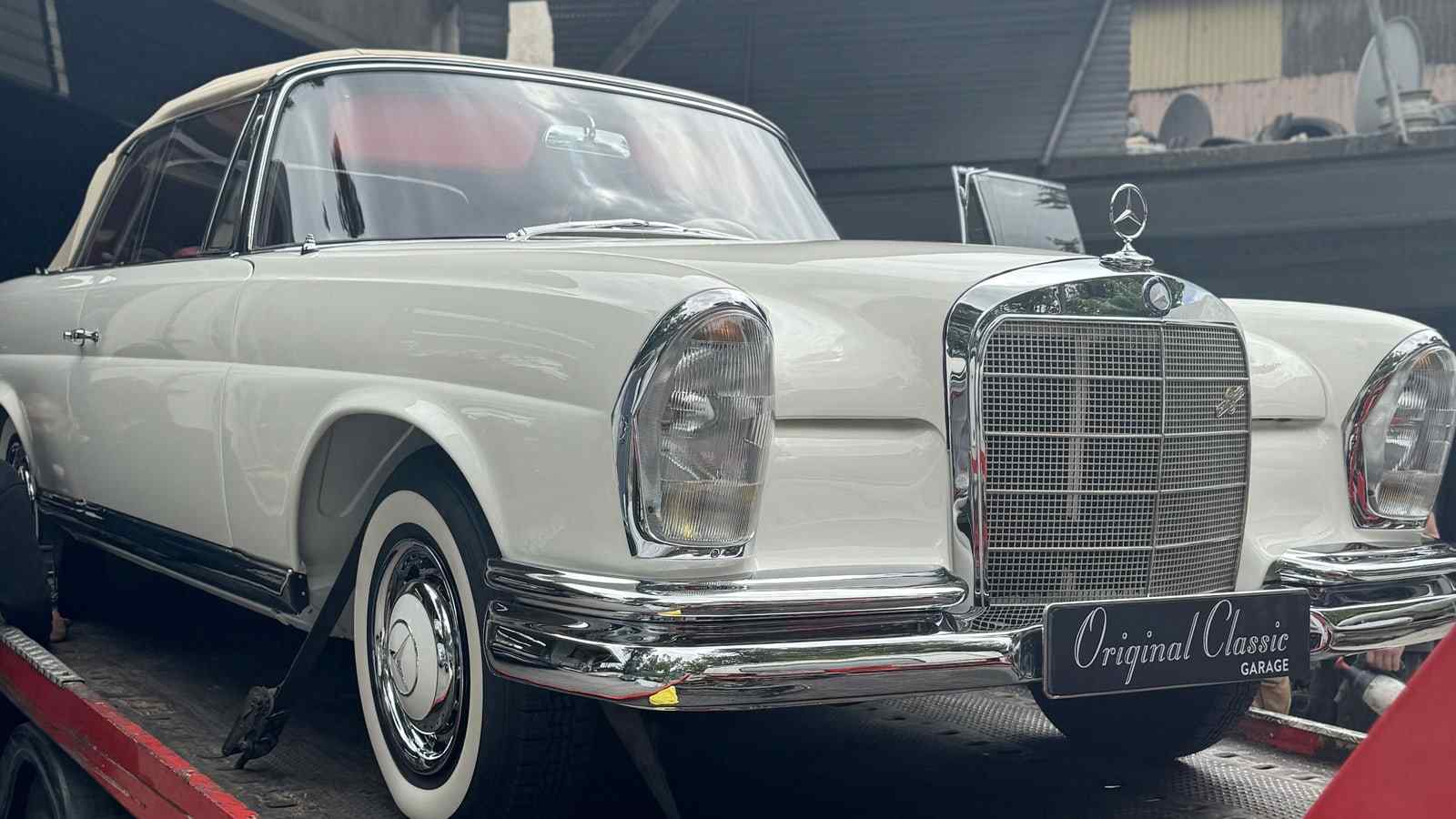
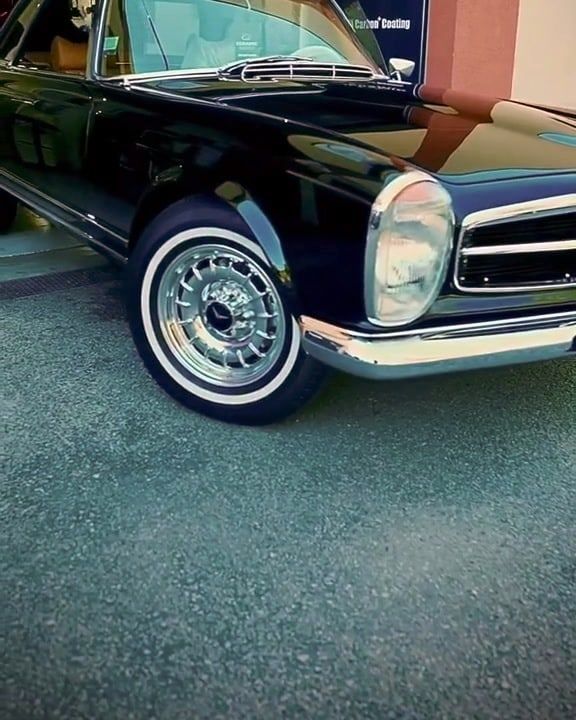
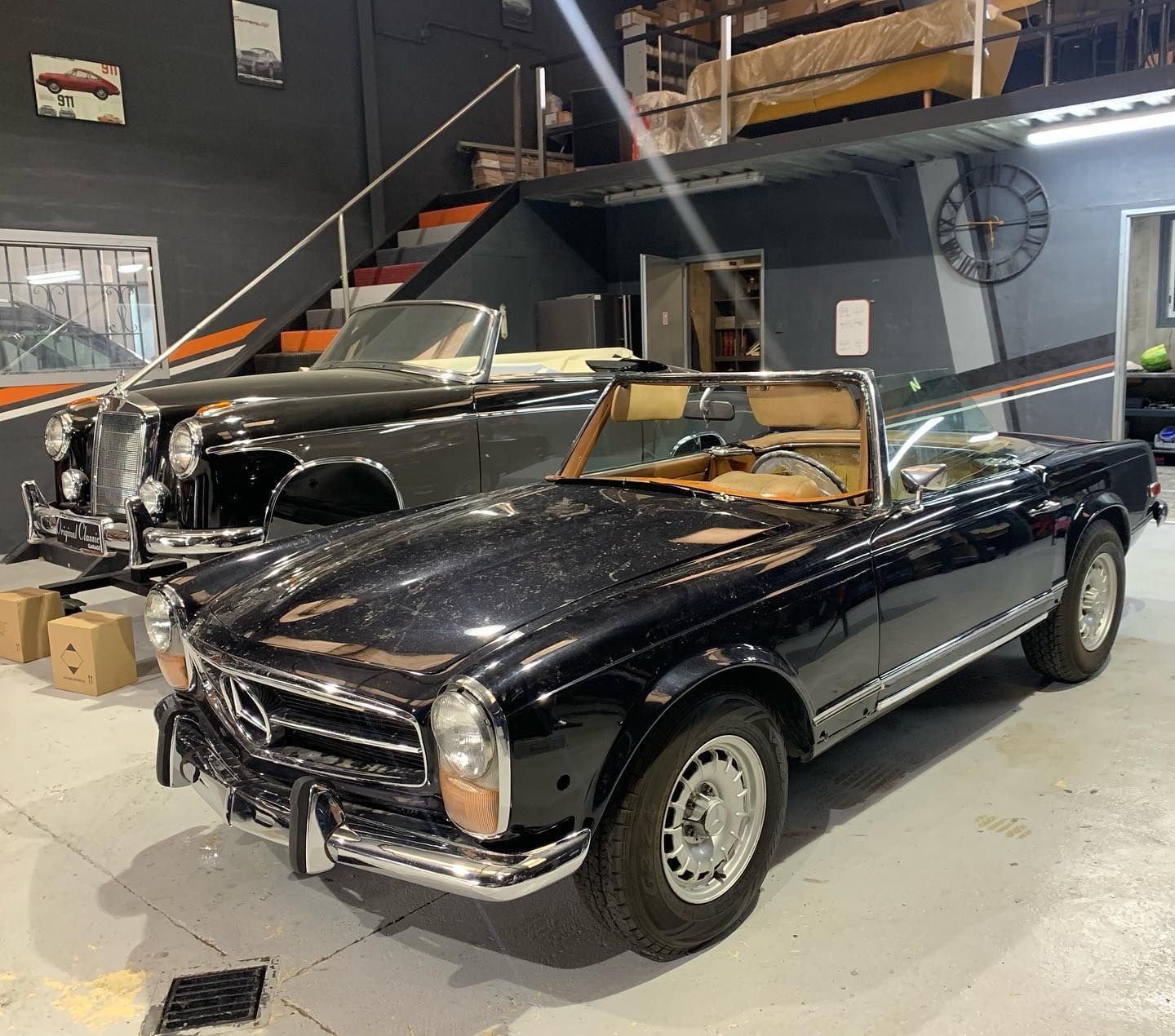
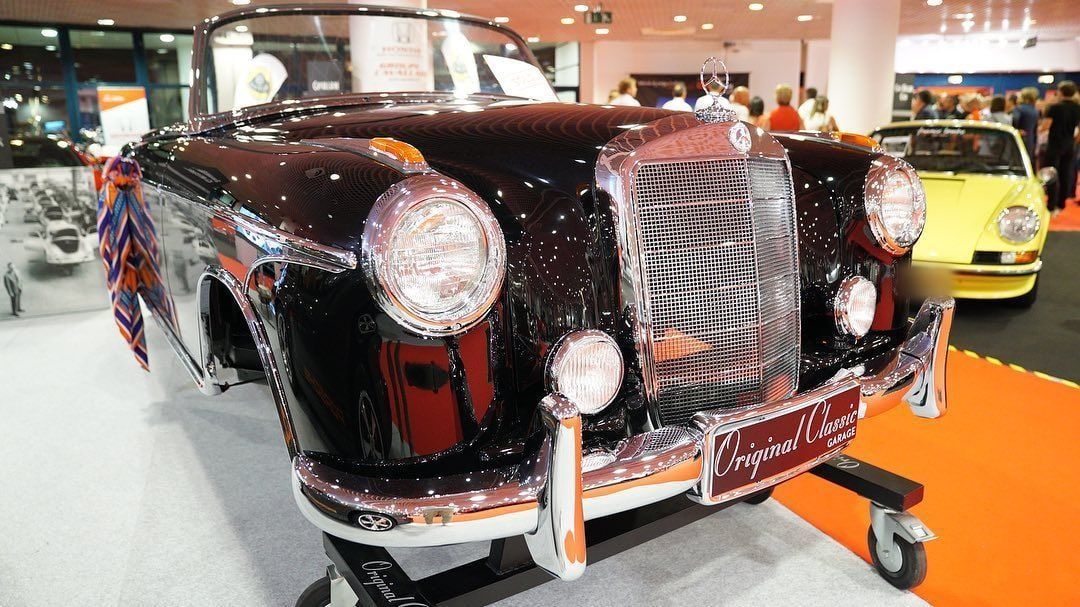
From Mercedes-Benz, the black 280 SL Pagoda and the ivory 220 SEb Cabriolet, whose straight-six and Bosch mechanical injection were rebuilt, show two projects from the same era with different demands. See also the Mercedes Pagoda W113 and classic Mercedes-Benz restoration. The workshop also handles Ferrari restoration and British classics such as the Jaguar E-Type.
The photographic record and the choice of parts
Every important stage is photographed and sent to you while the work is under way. Gathered at the end, this record shows the bare shell, the metalwork repairs and the parts replaced: it documents the car for its future owners as well as for an appraiser.
For parts, there are three routes, decided case by case: an original part where one still exists, a part of equivalent quality, or a reconditioned period part. The origin is stated on both the quote and the invoice.