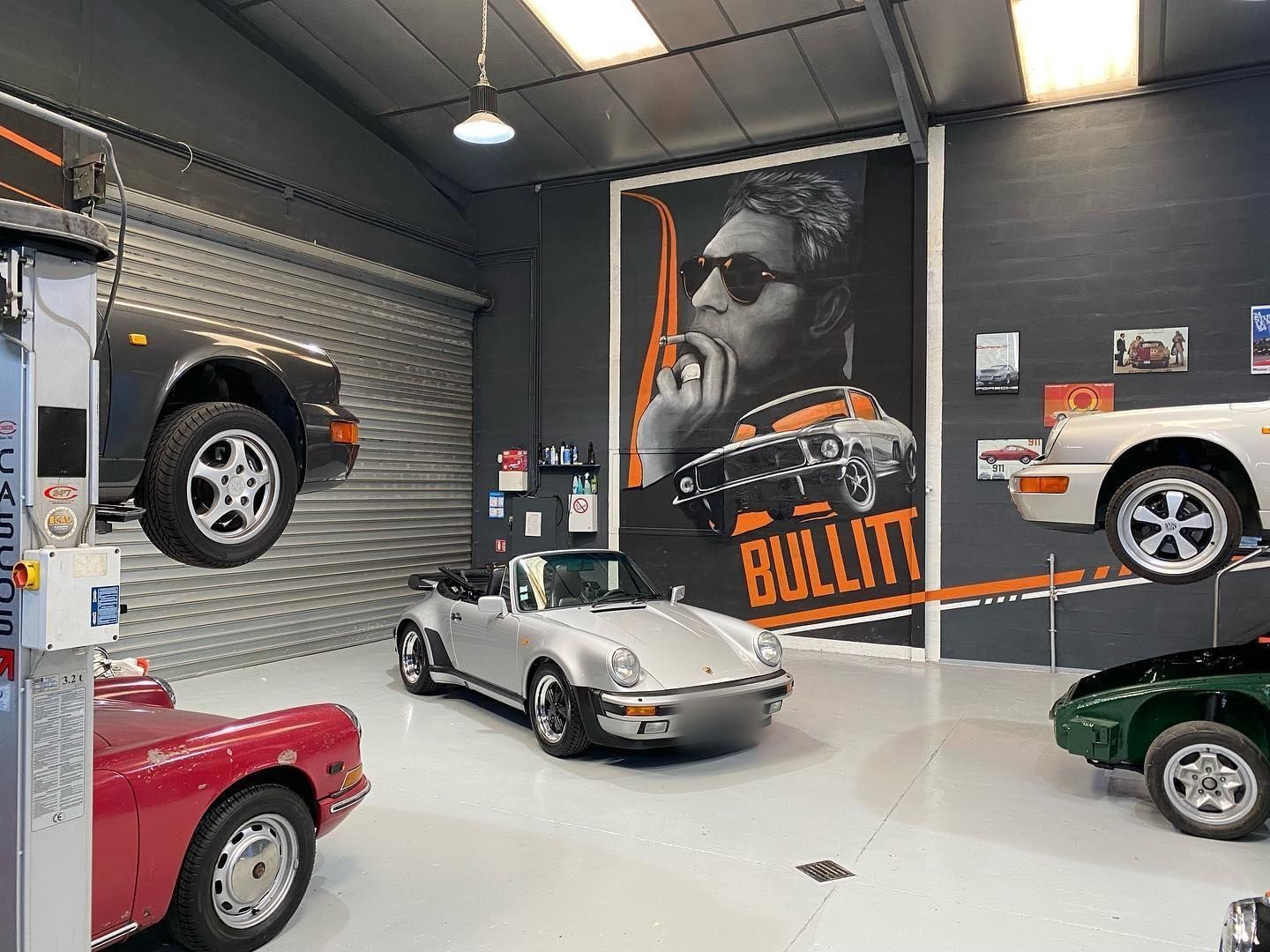
Where does a Porsche 911 restoration begin?
With a complete inspection, before any estimate: chassis, engine and gearbox numbers, the condition of the body, the car’s history and documents. The restoration of a classic Porsche is then decided with you: a strict return to factory specification, or a personal interpretation in the spirit of the car, which then becomes a bespoke build.
The estimate is itemised line by line. Throughout the full restoration, you receive photographs of each key stage, and any discovery that changes the project is put to you before work continues.
Where does a classic Porsche 911 rust?
The 911s built from 1964 to 1973 lacked the protection of later generations. Beneath the paint, corrosion settles in well-known areas that only a bare-metal shell truly reveals:
- floor pans, sills and jacking points;
- the battery trays in the front luggage compartment;
- the bottoms of the wings and doors, the windscreen corners;
- on a Targa, the base of the roll bar, to be examined closely;
- the suspension mounting points, which carry the car’s geometry.
Does a galvanised body change the restoration?
From the 1976 model year, 911 bodyshells are galvanised. They resist far better, without being immune: a poorly protected old repair, an accident or a water leak is enough to start corrosion again. The inspection is therefore the same, whatever the year.
Panel work replaces affected metal rather than hiding it, then the shell receives its protection and paint. The method is described on our Porsche bodywork and paint page; the original colour is identified from its paint code and from traces preserved beneath the trim.
Restoring a Porsche 356: what is different
The Porsche 356, built from 1948 to 1965, is older still. Its rounded forms demand careful shaping of every panel, and its floors and sills are the areas watched most closely. Its air-cooled flat-four is rebuilt piece by piece, carburettor and ignition settings included.
A black 356 Speedster has been welcomed at the workshop: such cars call for restraint as much as technique, because every original part retained matters.
Matching numbers and the Porsche Certificate of Authenticity
A “matching numbers” Porsche retains the engine and gearbox it left the factory with, according to the numbers recorded at production. This correspondence weighs on value and guides the restoration: the original engine is rebuilt rather than replaced.
Porsche Classic offers a Certificate of Authenticity, issued by the manufacturer on its own terms. The workshop does not issue it; it does, however, document every stage, with photographs and itemised invoices, for the car’s file.
Engine, gearbox and trim: a complete restoration
The flat-six is removed, stripped, measured and checked: barrels and pistons, cylinder heads, timing, crankshaft. A Porsche engine rebuild respects factory tolerances and settings. The 901 and then 915 gearboxes of the early 911, and the G50 from 1987, are overhauled in the same way. Trim is made entirely in-house: leather, period fabrics, carpets and panels, as our Porsche upholstery page explains.
Three Porsche restorations carried out at the workshop
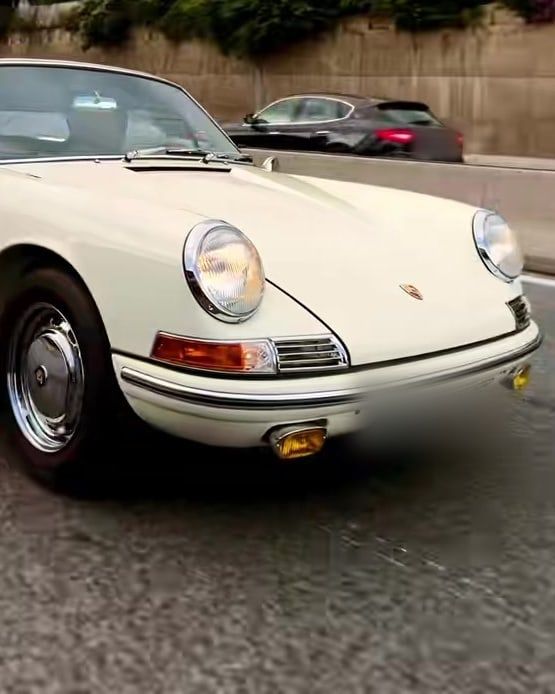
A 1967 911 S Targa “soft-window”, two-litre flat-six, restored in 2023–2024: shell blasted, panel work, ivory paint, engine rebuilt, black interior.
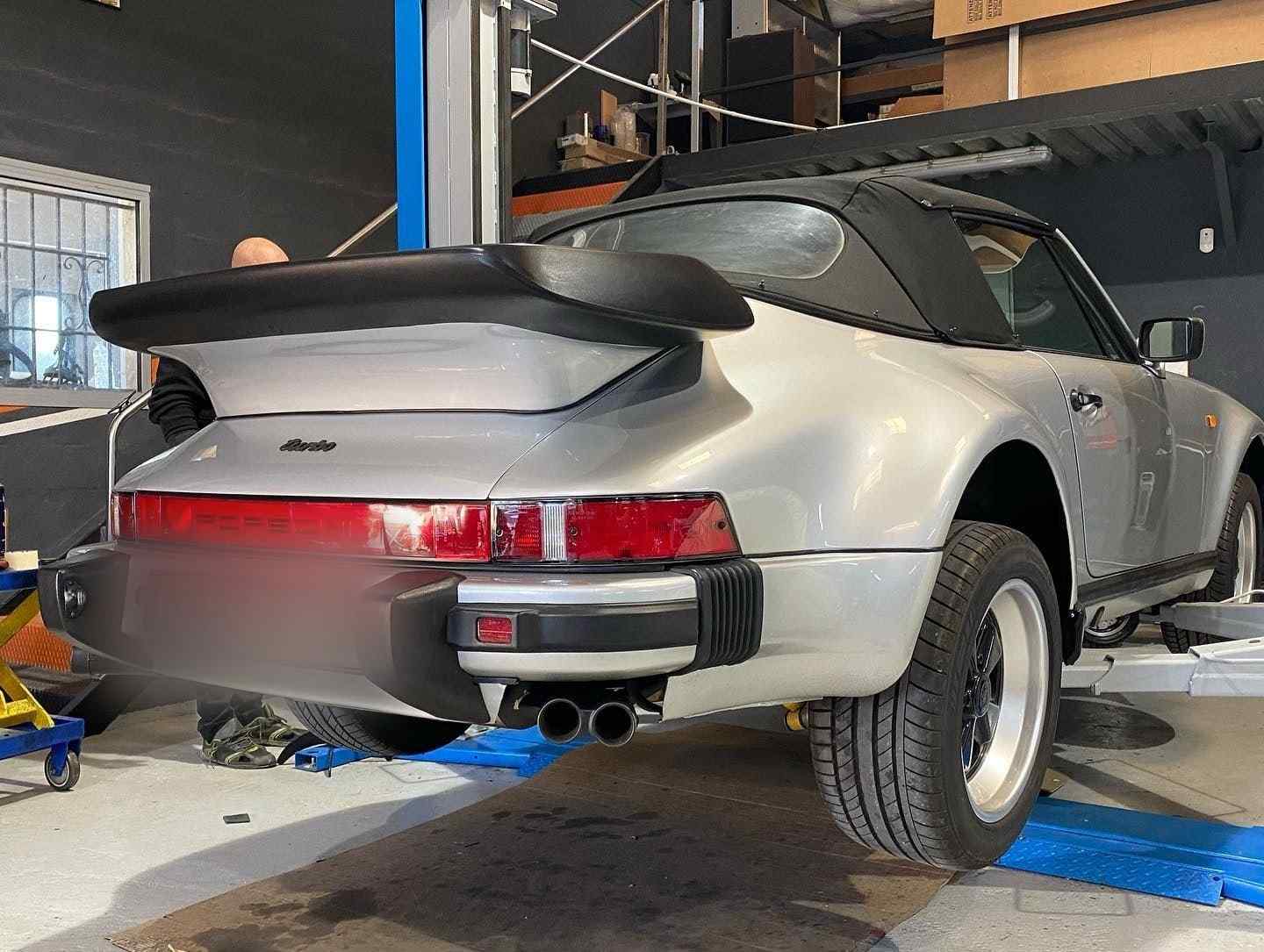
A 1989 930 Turbo Cabriolet in silver, with the five-speed G50 gearbox: bare-metal shell, panel work, paint, engine, gearbox, brakes and running gear.
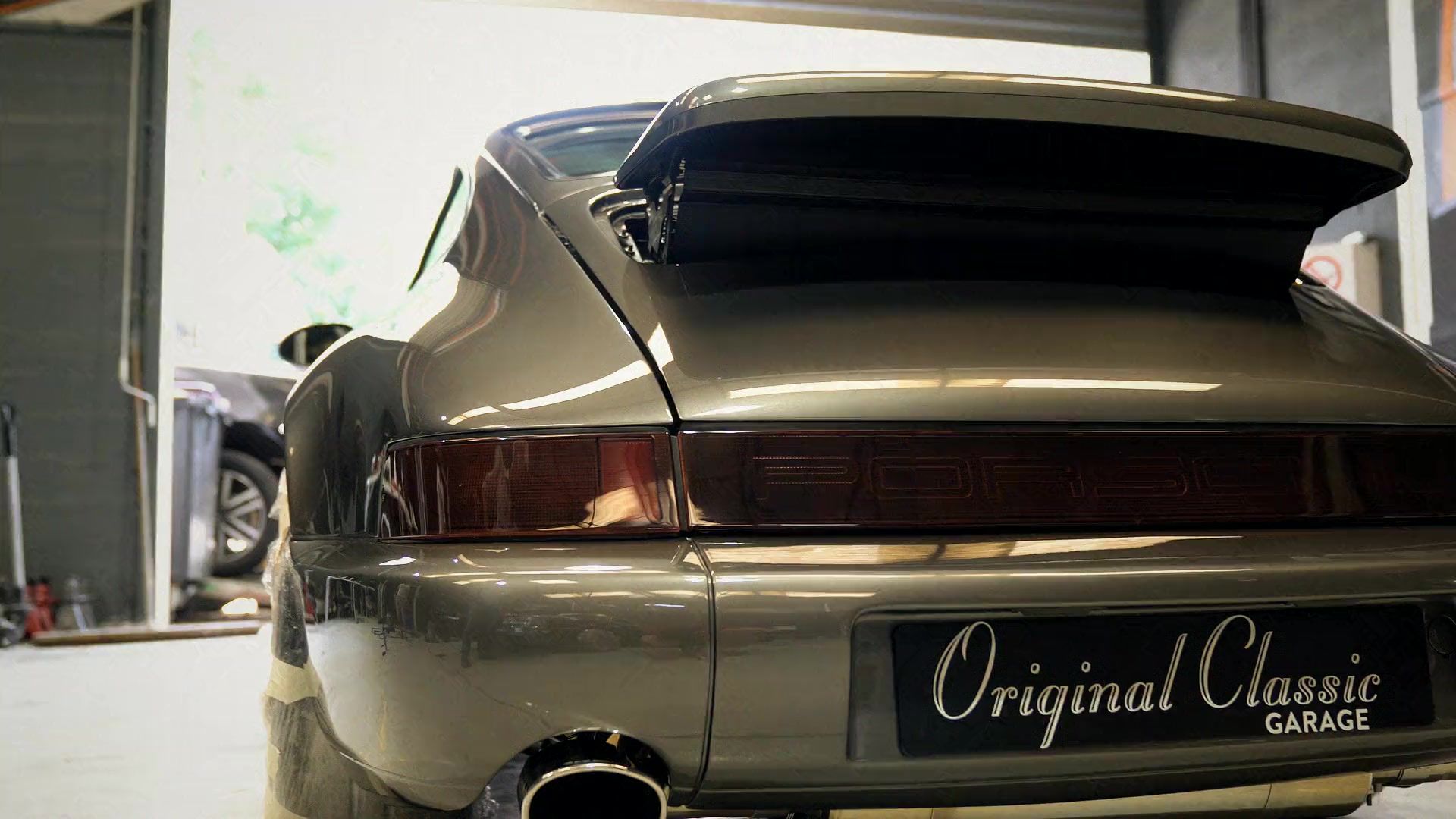
A 964 Carrera 4 in metallic grey, restored in 2018–2019: full restoration, paint, cognac leather interior, quilted leather front luggage compartment, aluminium pedals, Fuchs wheels.