Ferrari restoration: where do you begin?
Every Ferrari restoration begins with a full inspection, before anything is dismantled: structure, bodywork, stamped numbers, mechanicals, interior, electrics and the paperwork that survives. This assessment is the basis of an estimate itemised line by line, and of the approach we agree with you: a strict return to factory specification, or a personal interpretation in the spirit of the car.
The method is the same for every era, but the priorities shift from one model to the next. A Dino, a 308, a Testarossa and a 456 do not age in the same way. Our general approach is described on the page dedicated to classic car restoration.
Classic Ferraris: what each generation asks for
A few points of reference, to place the particular concerns of each family:
- Dino 206 GT and 246 GT: mid-mounted V6, aluminium body on the 206, steel on the 246; corrosion of the bodyshell is the first question.
- 308 GTB and GTS, then 328: transverse mid-mounted V8; the earliest 308 GTBs have glassfibre bodies, replaced by steel from 1977. See our Ferrari 308 and 328 page.
- 365 GTB/4 Daytona and front-engined V12s of the same period: bodywork combining steel and aluminium, whose joints call for particular care.
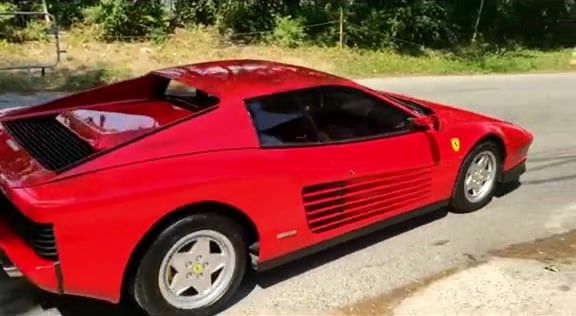
- Berlinetta Boxer, Testarossa, 512 TR and F512 M: mid-mounted flat-twelve; major mechanical work is generally carried out with the engine out. See our Ferrari Testarossa page.
- 456 GT and 550 Maranello: front-engined V12s of the 1990s, with more electronics, and equipment and trim that deserve careful refurbishment.
Scaglietti and Pininfarina bodies: corrosion and panel work
Most classic Ferraris were styled by Pininfarina, and many were built by Scaglietti in Modena. These bodies were largely shaped by hand: no two cars of the same model are ever quite identical, and the panel work has to follow the lines of the car in hand, not a generic template.
Corrosion attacks the familiar areas: sills, door bottoms, wheel arches, floors, and the points where aluminium meets steel, where galvanic corrosion sets in. The shell is taken back to bare metal to reveal its true condition, damaged panels are repaired or remade, and the protection is then rebuilt. The detail of this work is on our Ferrari bodywork page.
Rosso Corsa and original colours: which paint?
Rosso Corsa remains the emblematic colour, but Ferraris left the factory in a far wider palette, and not every red is the same red. For a faithful restoration, the original colour is identified from the paint code and the documents, then compared with protected areas of the car, often beneath the trim. The gloss and depth of the finish are chosen to stay true to the period.
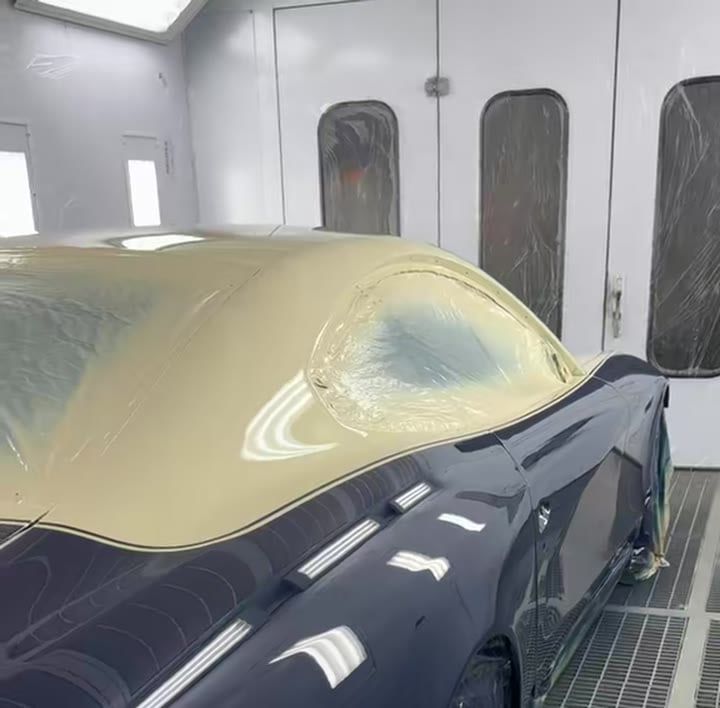
Other owners prefer an interpretation. The Ferrari 612 Scaglietti among our projects, delivered in silver grey, has been repainted in a two-tone of midnight blue and cream, with blue-green leather upholstery and an embroidered prancing horse. Its aluminium body calls for preparation and primers suited to the metal.
Ferrari interiors: leather, stitching and detail
For decades, Connolly leather was associated with Ferrari interiors. Restoring an interior means finding leather, colour and stitching that are right for the car, but also renewing foams, seat frames, carpets and trim. Where the original hide can be saved, it is cleaned, fed and repaired rather than replaced.
All upholstery is carried out in the workshop, from period-correct reconstruction to contemporary interpretation, such as the turquoise cabin of a Ferrari F12. See our Ferrari upholstery page.
V8, V12, flat-twelve: restoring the mechanicals
The mechanicals follow the same logic as the body: dismantle, measure, decide. On the Ferrari Testarossa among our projects, the flat-twelve was removed, fully stripped, its parts refurbished, then rebuilt, refitted and signed off with a road test. Weber carburettors on the early 308s, Bosch K-Jetronic injection from the 308 GTBi onwards: each fuel system has its own settings.
Engine and gearbox numbers are part of the car's identity: original units are kept and rebuilt wherever possible.
Ferrari Classiche certification: what is the workshop's role?
Ferrari Classiche is the manufacturer's department that certifies the authenticity of classic Ferraris and, after inspection, issues a certificate accompanied by the Libro Rosso, the Red Book. Certification is the manufacturer's alone: an independent workshop does not issue it and cannot guarantee it.
Our role is to preserve what matters for such an application: original parts kept and labelled, stamped numbers photographed, technical choices recorded, photographs of the stages sent during the work, an itemised invoice. A complete file, valuable to the car whatever you decide.