Which leather for a car interior retrim?
A full-grain leather keeps the natural surface of the hide, with its grain and its ability to breathe. An aniline leather is dyed through, with no pigmented top coat: supple to the touch and quick to take a patina, but sensitive to light and stains. A pigmented leather is given a coloured finish that protects it; it is the most common in cars, and the most durable for daily use.
Connolly hides, from the historic English house that supplied Rolls-Royce, Jaguar, Aston Martin and Ferrari, remain the reference; as that historic business ceased in the early 2000s, we offer leathers in the Connolly spirit, chosen from samples. For English interiors, see our pages on Rolls-Royce upholstery and Bentley upholstery.
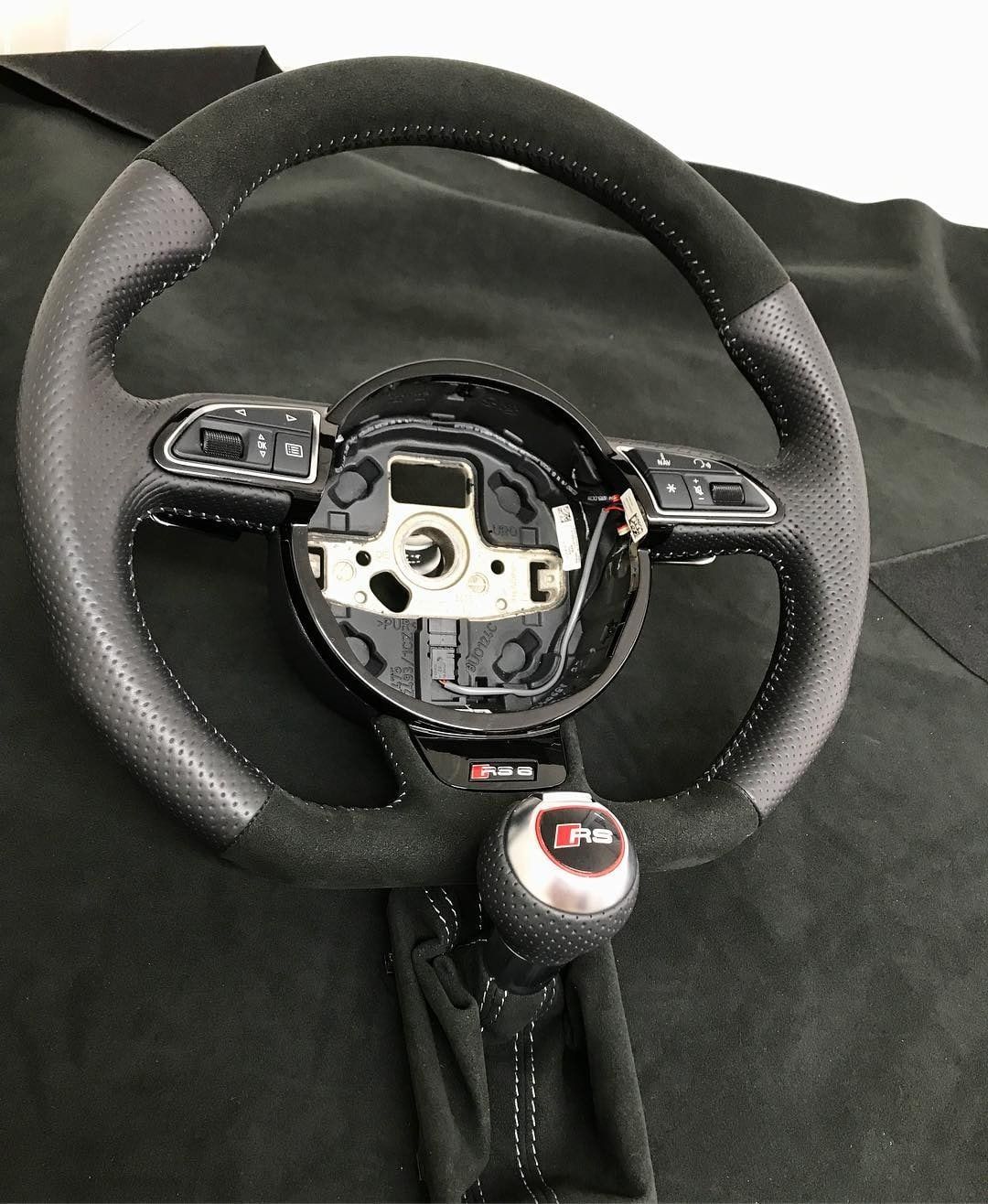
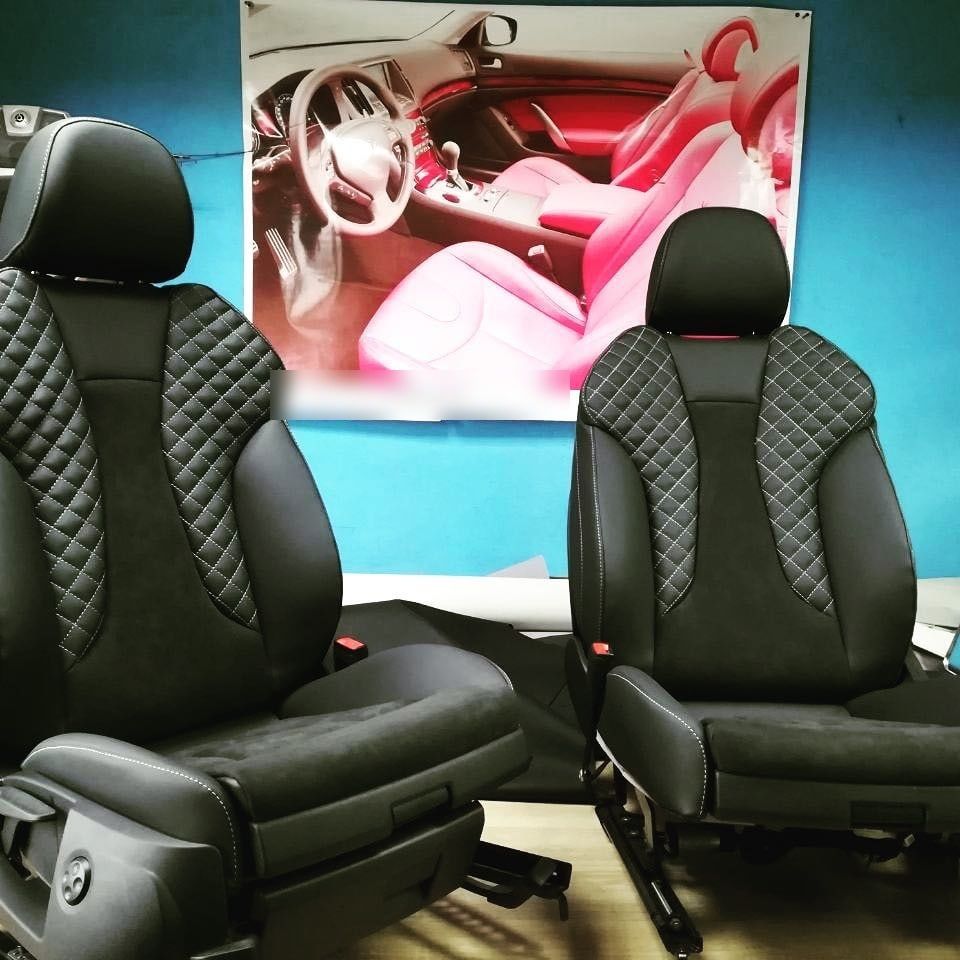
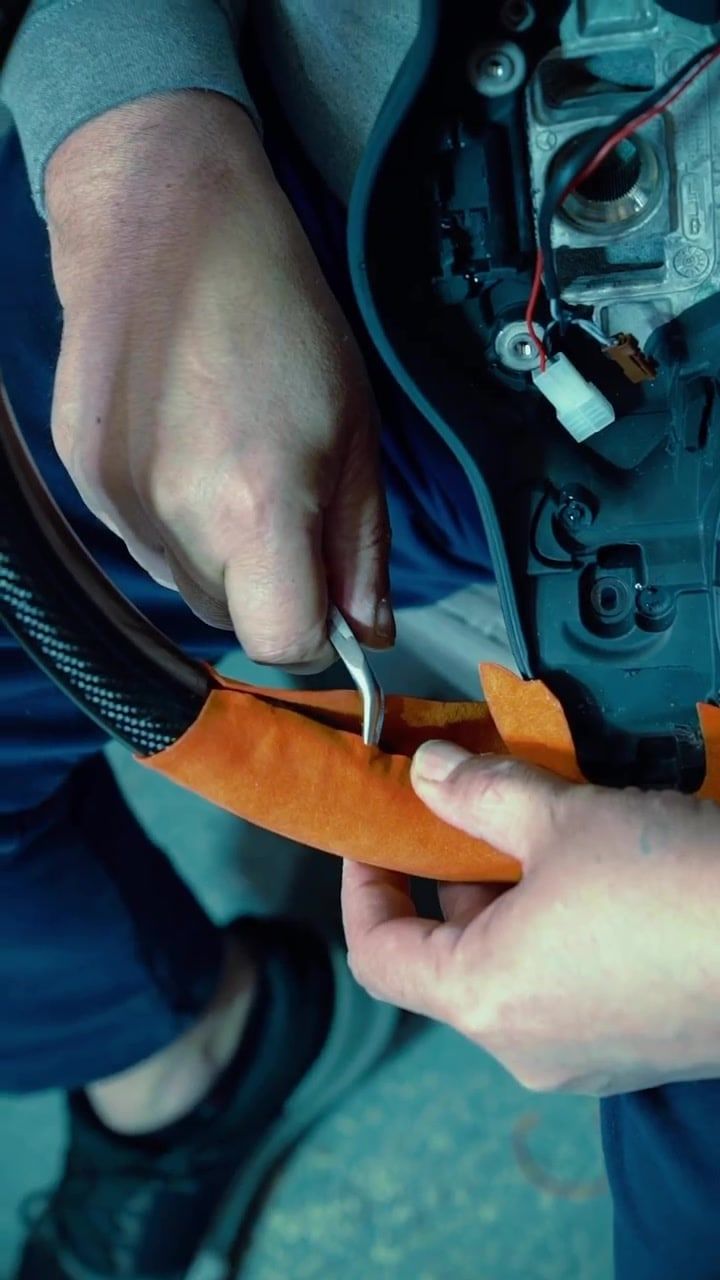
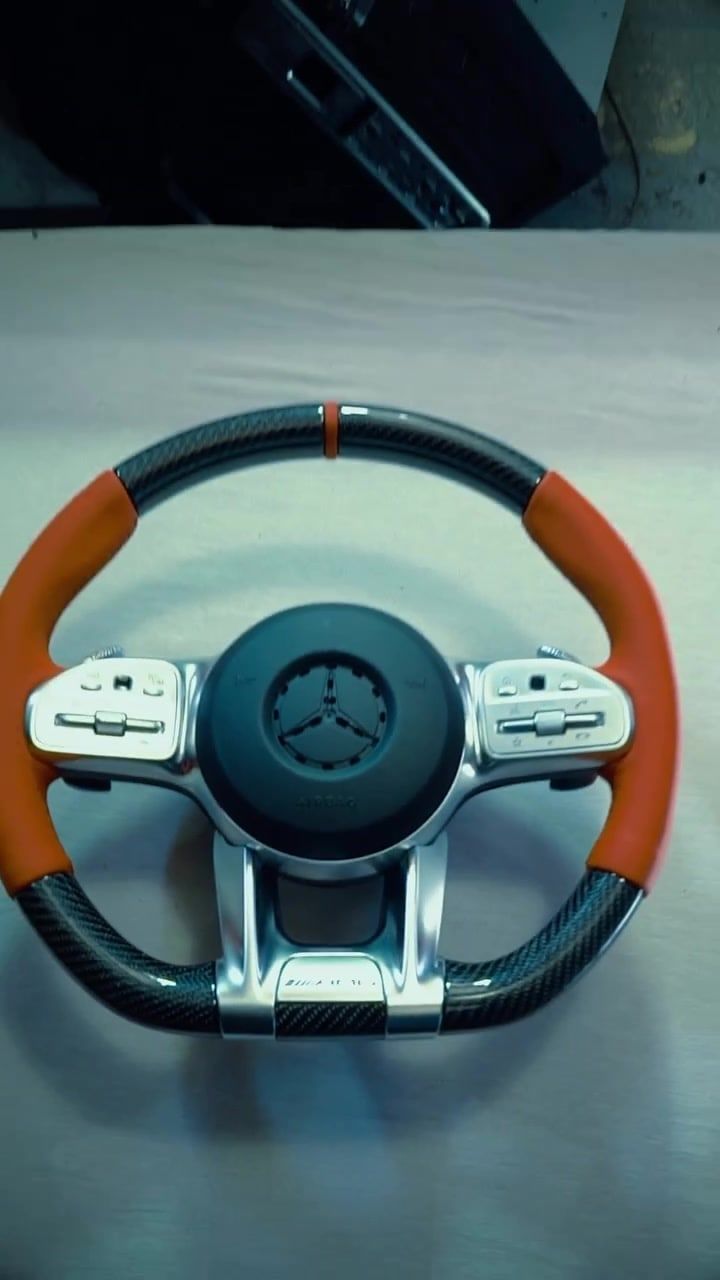
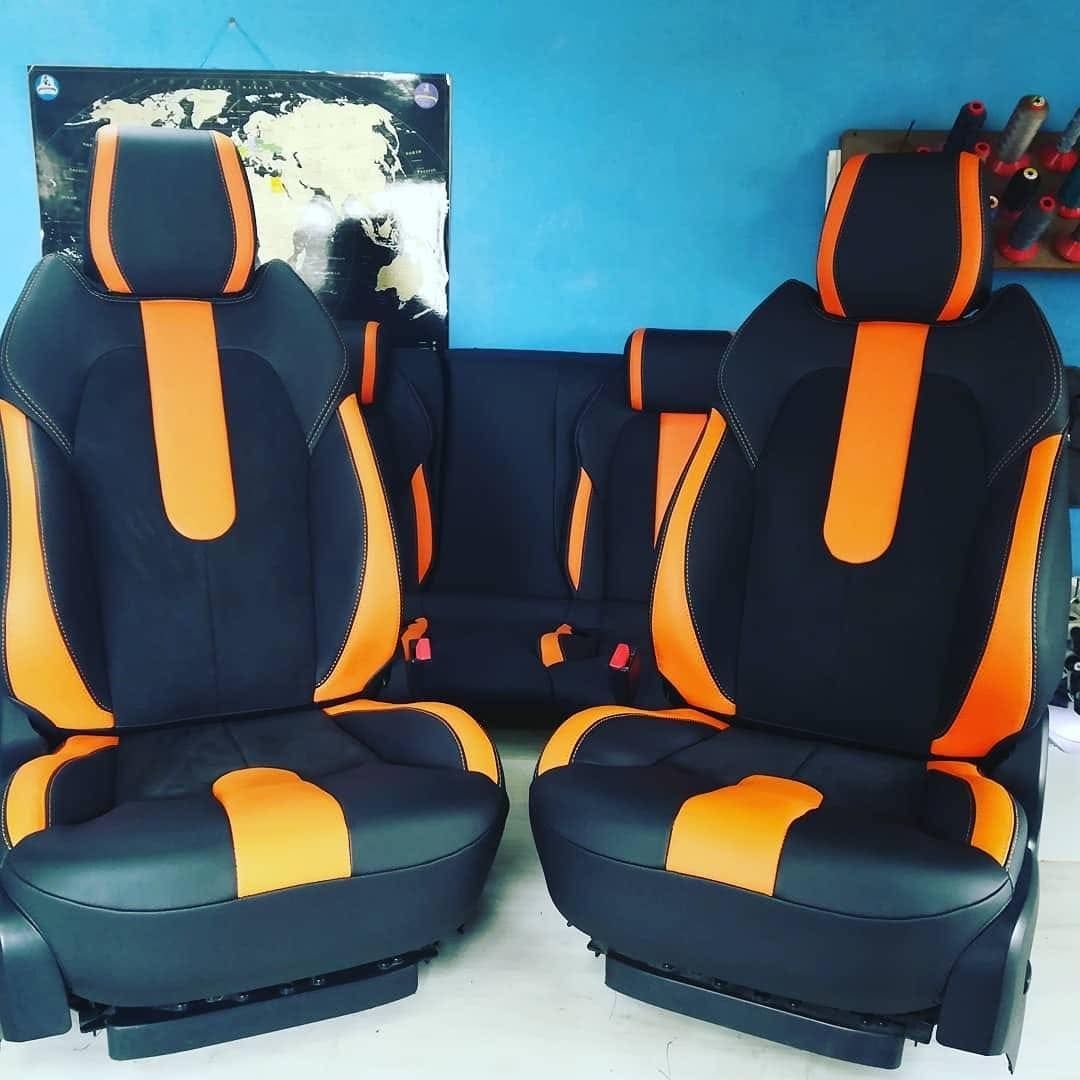
Alcantara, a microfibre made in Italy, has a suede-like feel and wears well: it suits steering wheels, seat inserts and headliners, alone or combined with leather, as on Range Rover seats trimmed at the workshop.
Pepita, houndstooth, tartan: period cloths
Many classics did not leave the factory with an all-leather interior. Porsche dressed the 356 and early 911 in its “Pepita” houndstooth, then offered tartans on some cars of the 1970s; other marques combined cloth, velour and leatherette. A faithful retrim reproduces the pattern, its scale, the direction of the weave and the split of materials between cushion, backrest and bolsters. Porsche interiors are covered in detail on our page on Porsche upholstery.
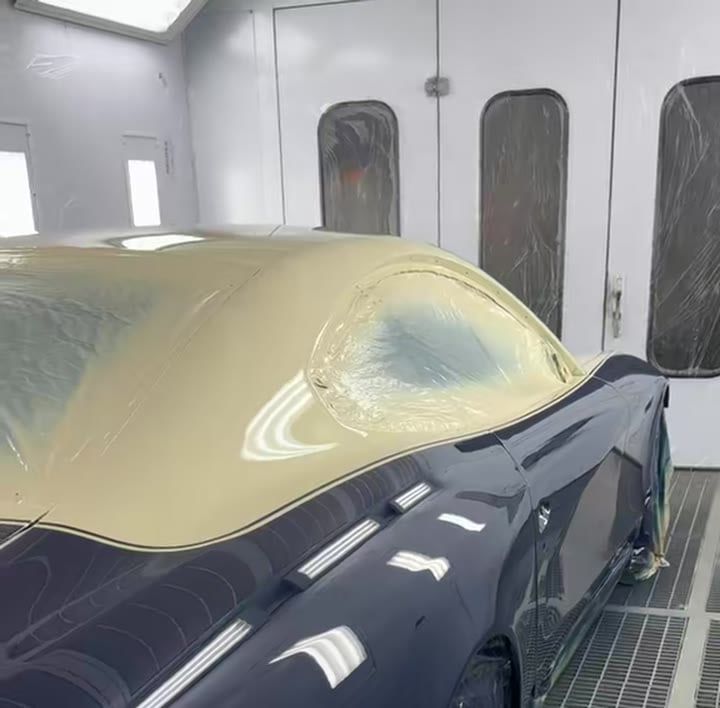
Carpet matters just as much: wool loop pile or velour according to the original, bound edges, a heel pad under the pedals. The headliner, in cloth or vinyl, is stretched without a crease or bubble. A convertible hood is remade in canvas, mohair or vinyl, with its rear screen, seams and weatherproofing.
Beneath the cover: foam, springs and hessian
A sagging seat is not saved by a new cover. In an older car, the cushion sits on springs or webbing, covered with hessian, horsehair or fibre, then foam. Over the years the foam compresses and crumbles and the springs lose their tension: even the finest cover would soon wrinkle.
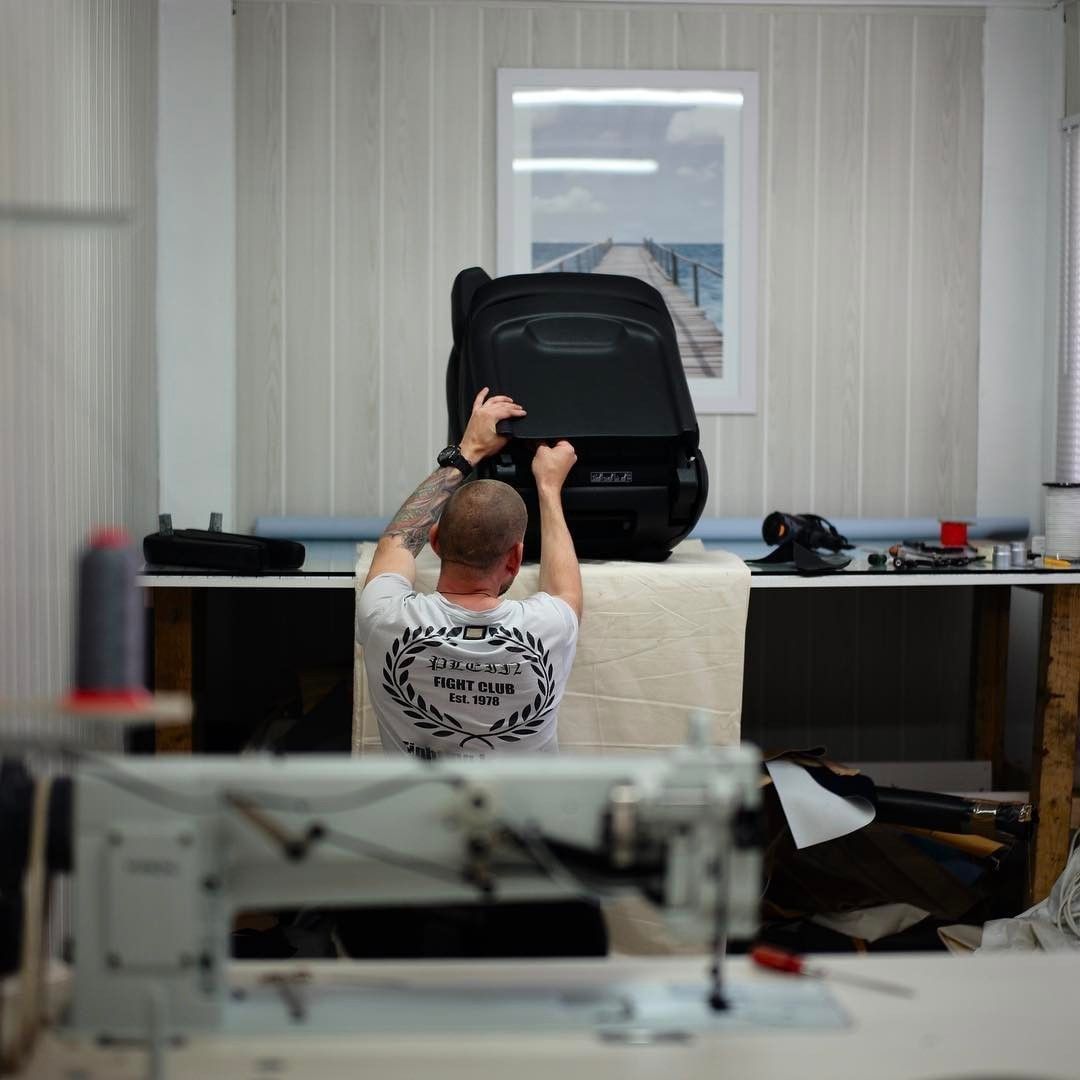
The seat is therefore stripped back to its frame. Springs and webbing are checked, the padding is rebuilt and the foam replaced and reshaped to restore the original support, before the new cover is fitted.
Steering wheel, dashboard, door cards and boot
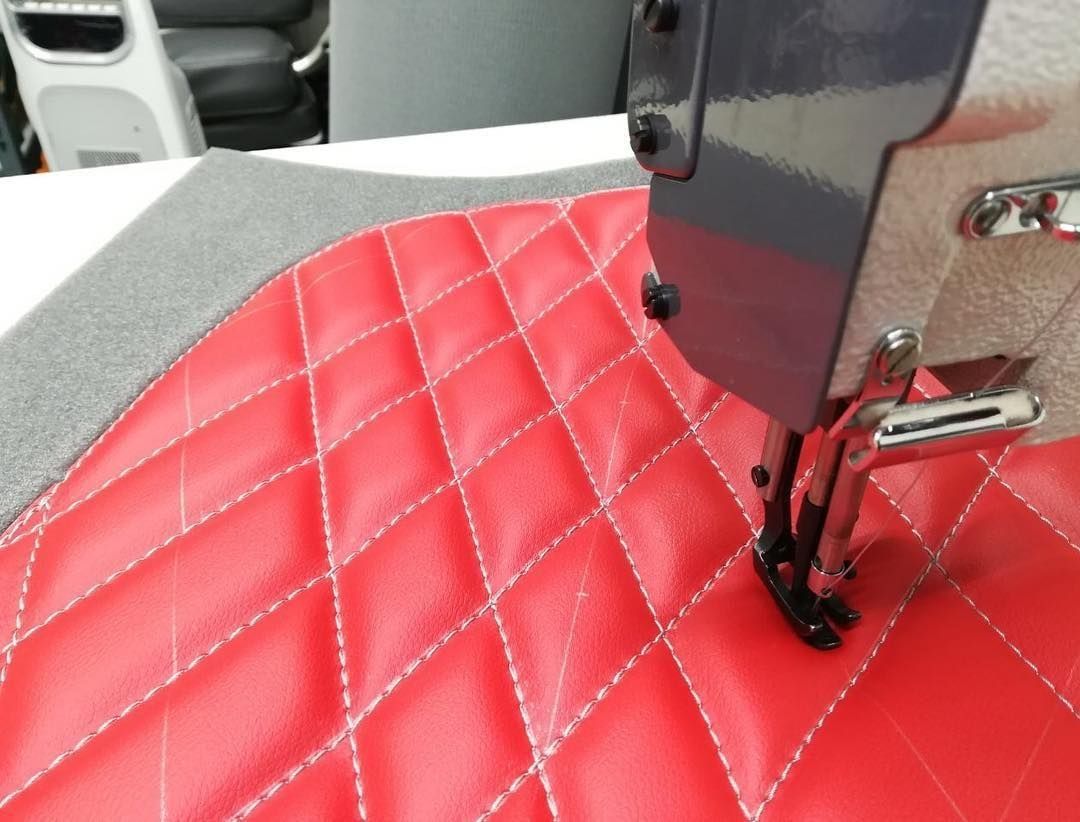
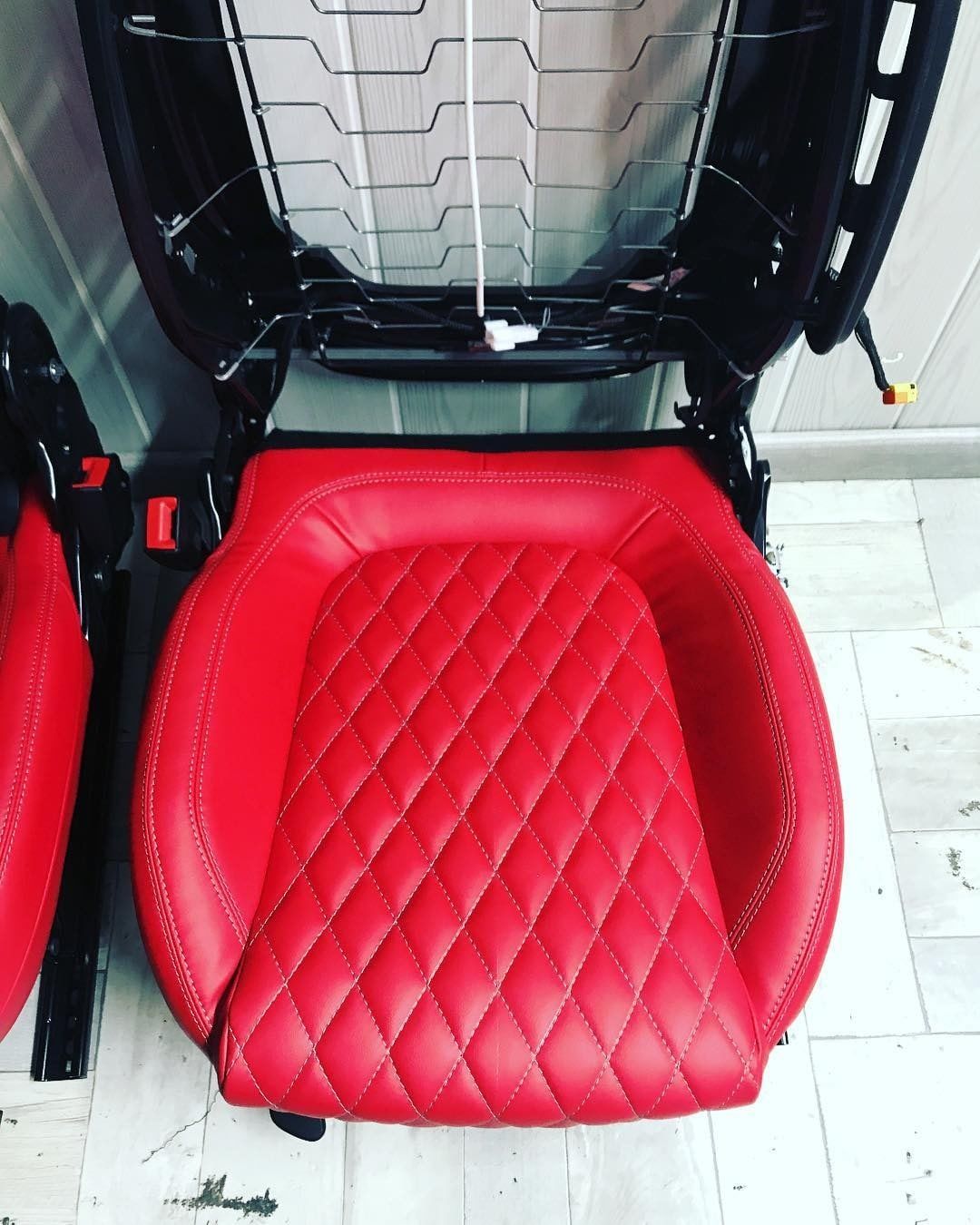
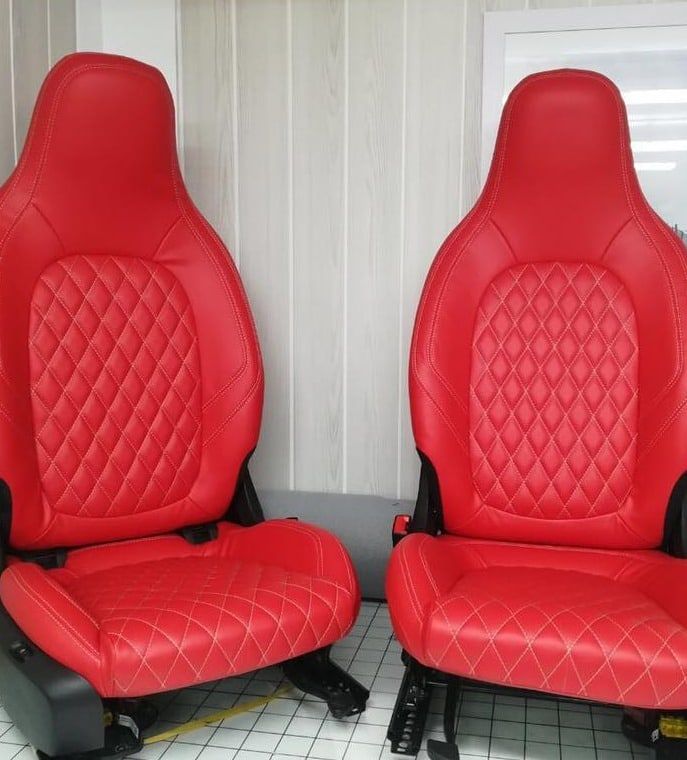
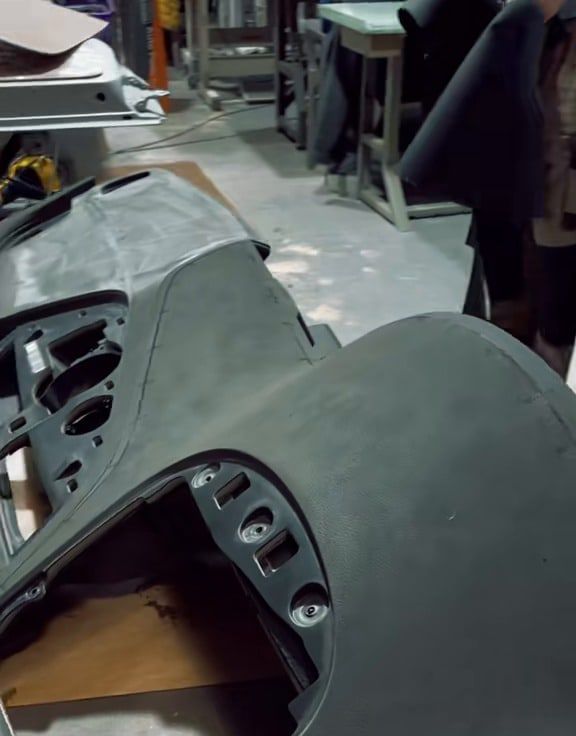
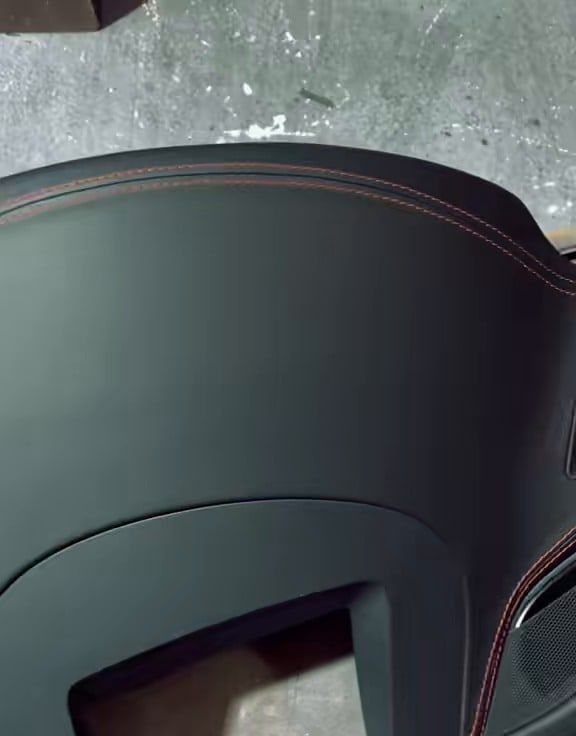
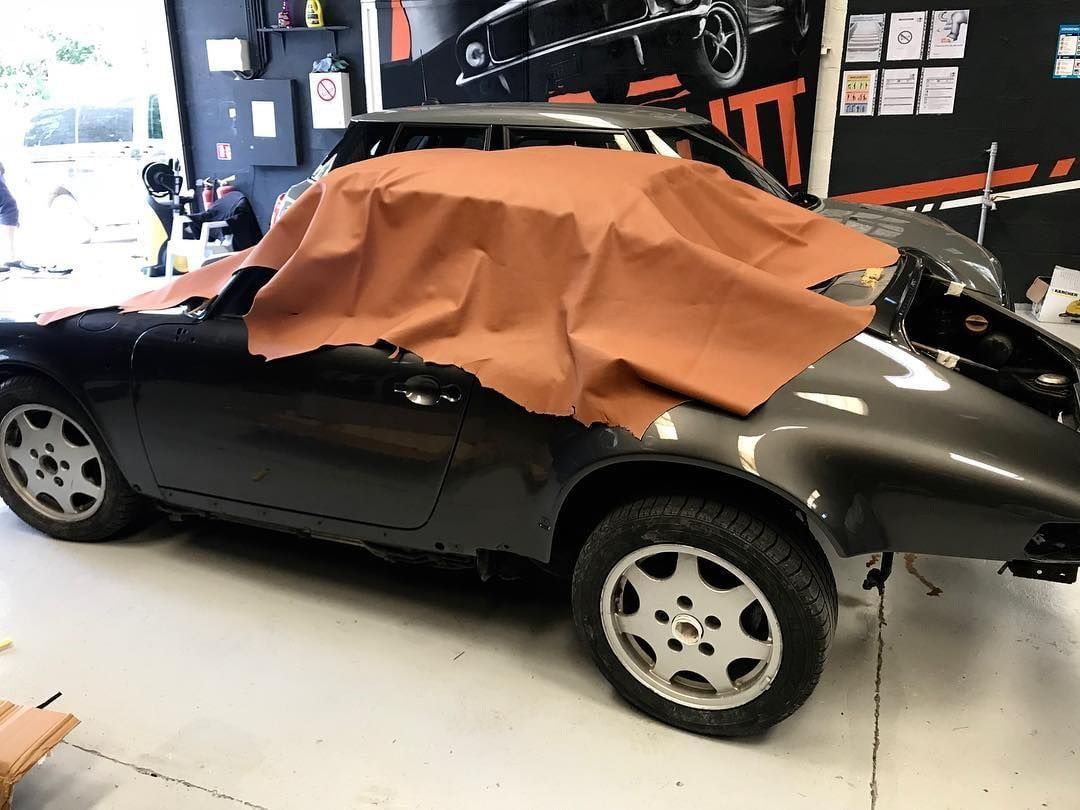
Upholstery goes well beyond the seats. A leather-covered dashboard, door cards, a console, a hand-stitched steering wheel, piping, single or twin topstitching, diamond quilting: each element is designed together with the rest of the cabin. On the 964 Carrera 4, the cognac leather continues into the front luggage compartment, lined in quilted leather.
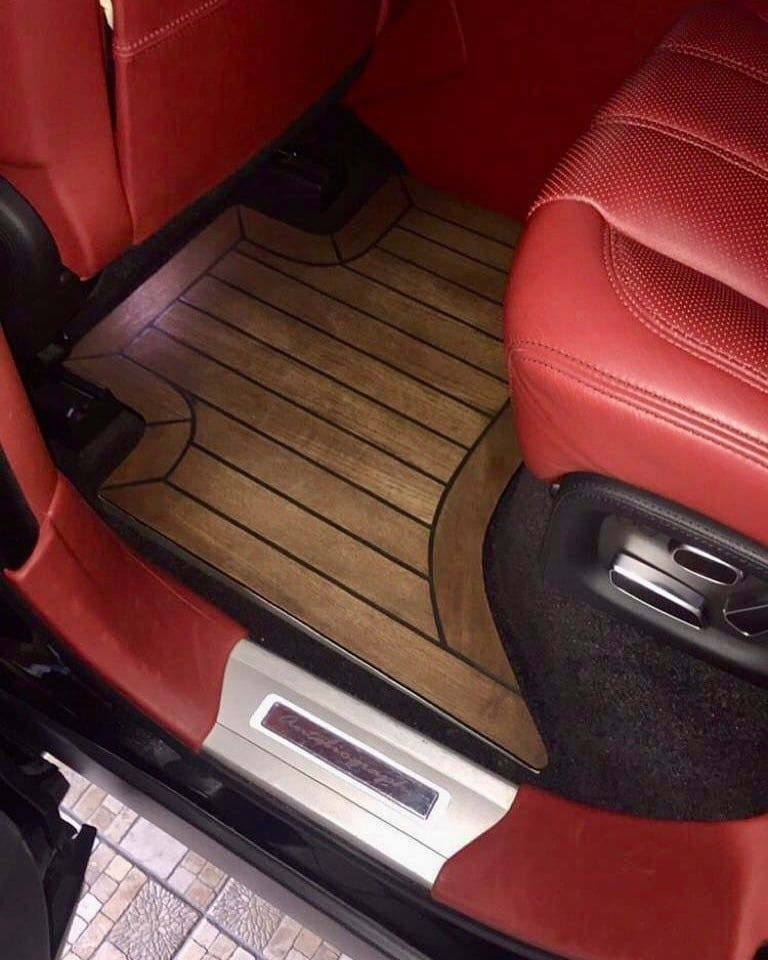
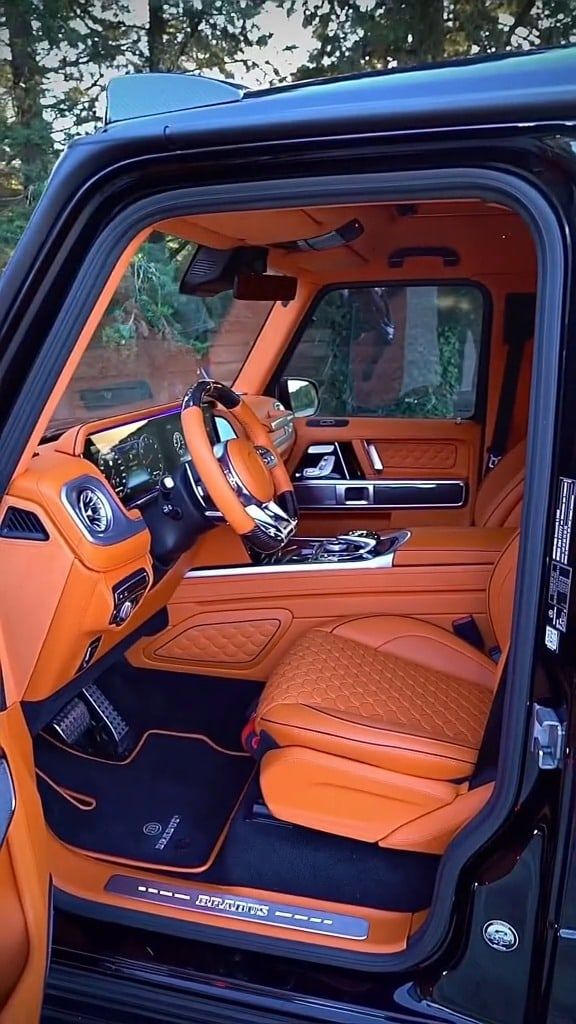
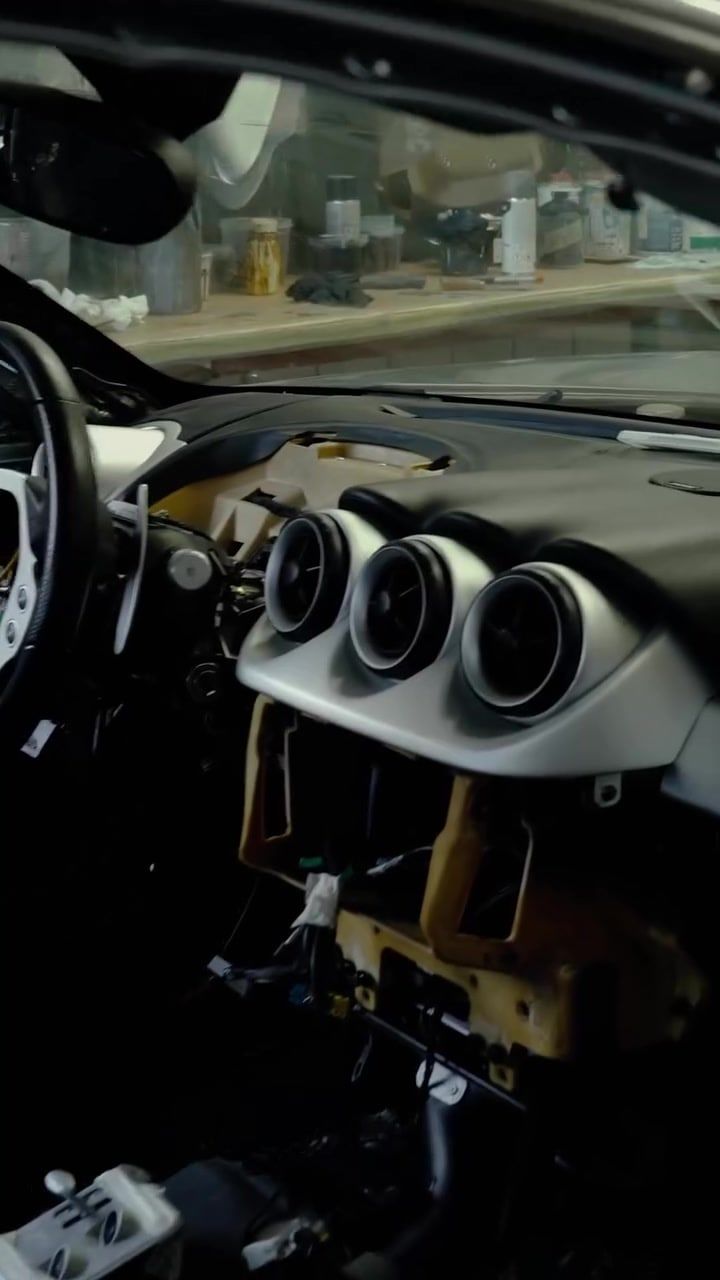
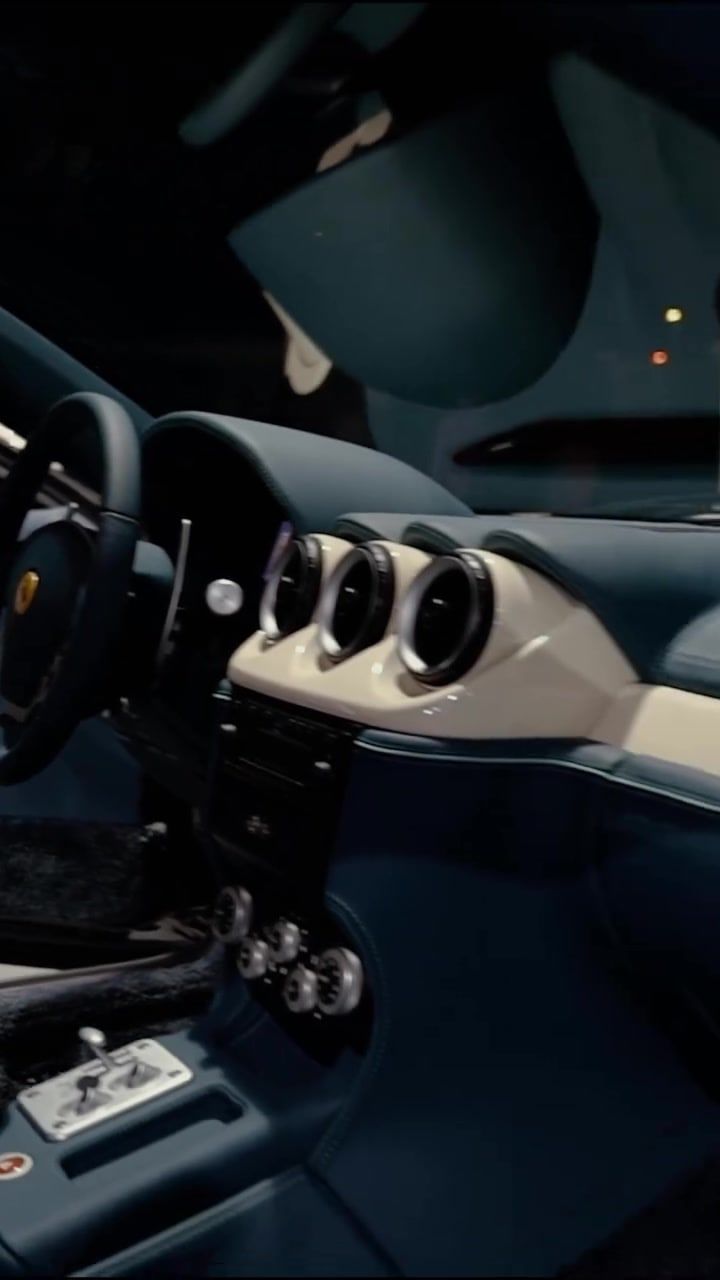
A few interiors completed at the workshop show the range: the Ferrari 612 Scaglietti in blue-green leather with an embroidered prancing horse, an F12 in turquoise, a G-Class in orange leather down to the steering wheel, a Defender in cognac leather and teak. Seats and steering wheels from recent cars, in leather and Alcantara, are handled the same way; see also our page on Ferrari upholstery.
Preserve, restore or retrim to original?
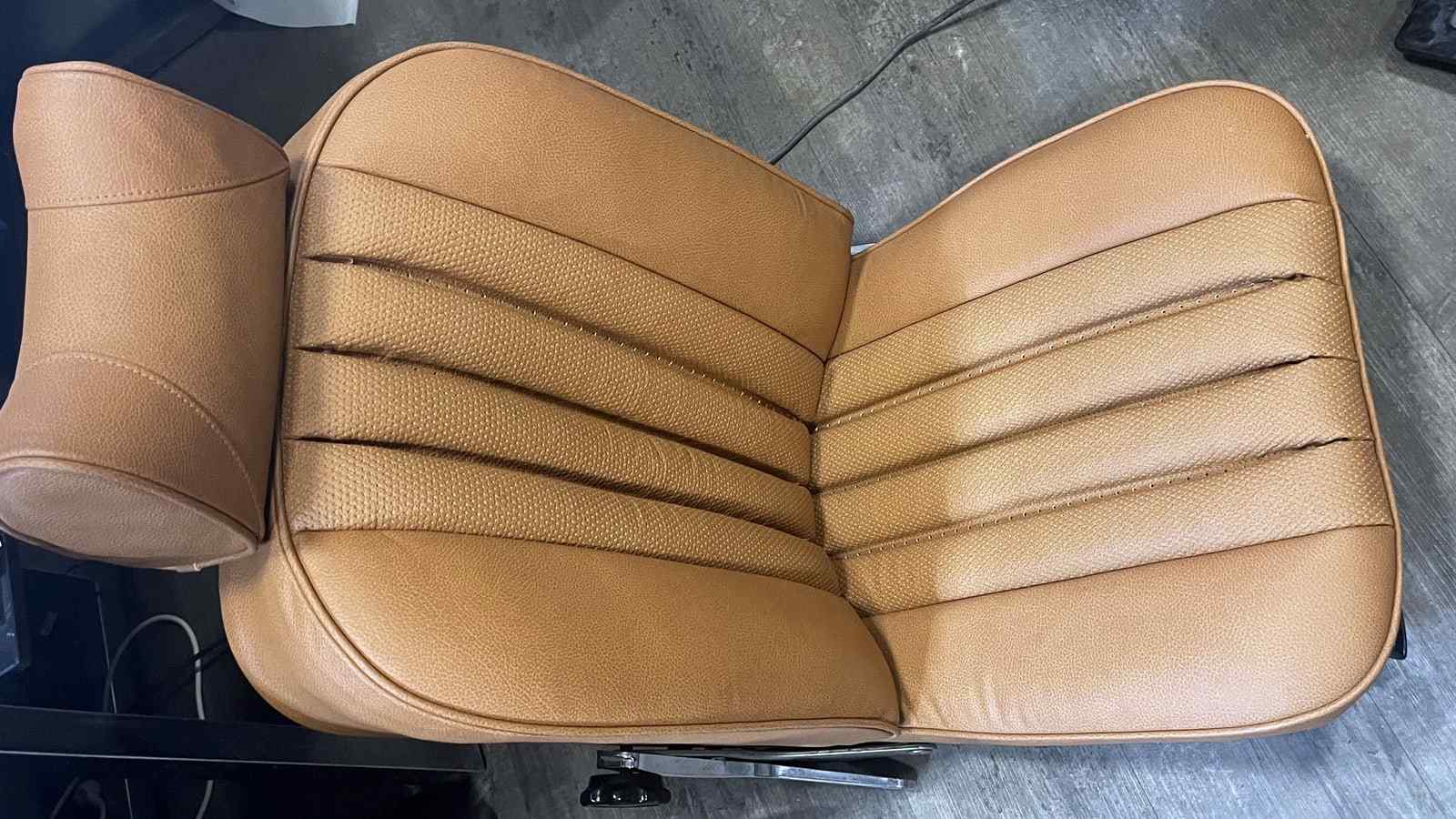
A well-kept original interior has a value nothing can replace. When the leather is sound, it is cleaned, fed and locally recoloured; a seam is re-sewn, a single panel remade in a matched shade. When it is worn through to the backing, a retrim to original specification is the answer, or a personal interpretation if you prefer.
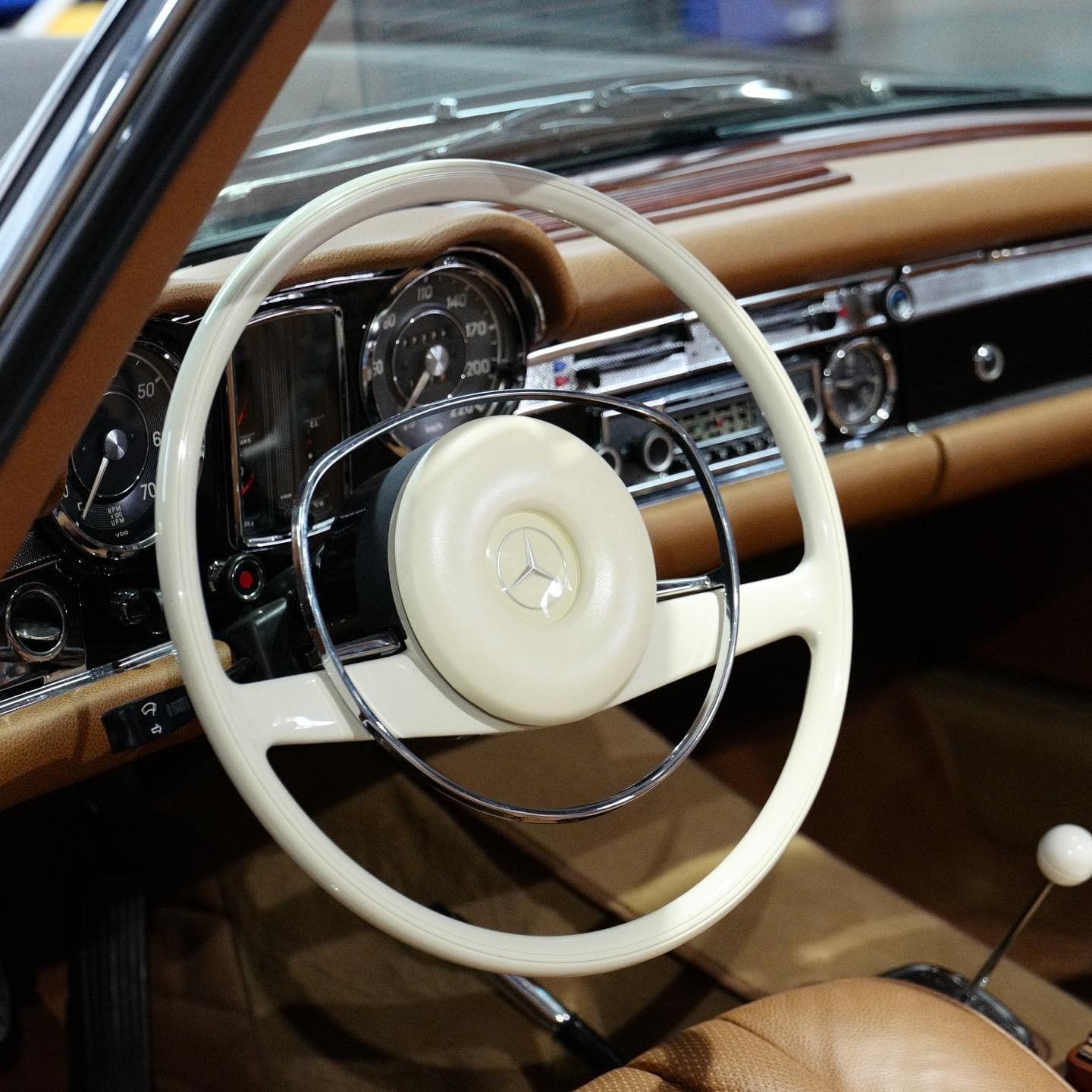
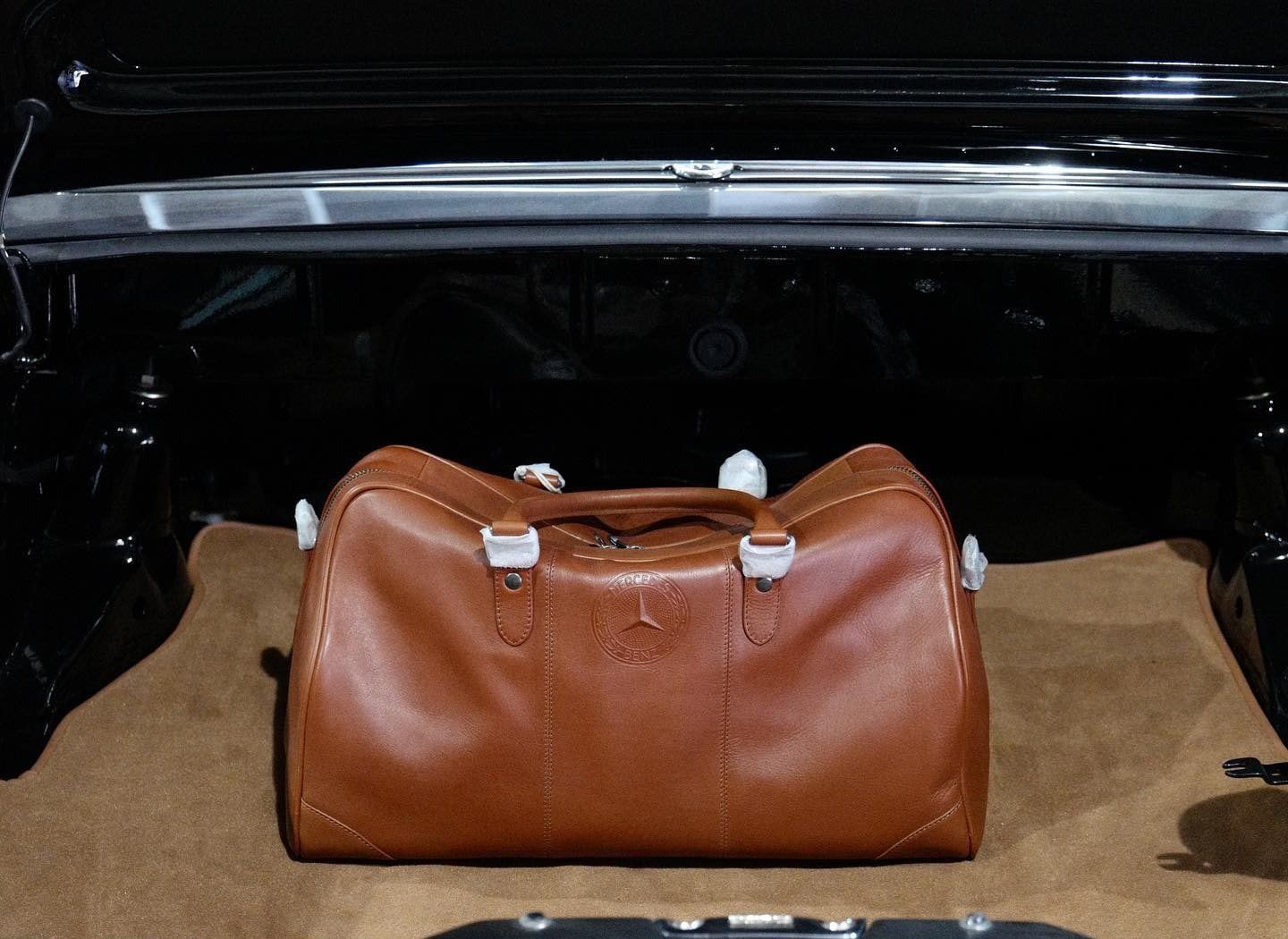
The 280 SL Pagoda treated at the workshop received a complete cognac leather interior in this way. The particularities of the marque’s interiors are described on our page on Mercedes-Benz upholstery.