What classic car mechanics covers
Classic car repairs, like work on any prestige car, touch everything that makes it go, turn and stop. Each area has its own skills and tools, and most have a page of their own.
- Engine: leaks, oil consumption, loss of compression, partial or complete rebuild.
- Gearbox: synchromesh, bearings, linkage, manual and automatic gearboxes alike.
- Clutch: plate, cover, release bearing, flywheel, hydraulic or cable operation.
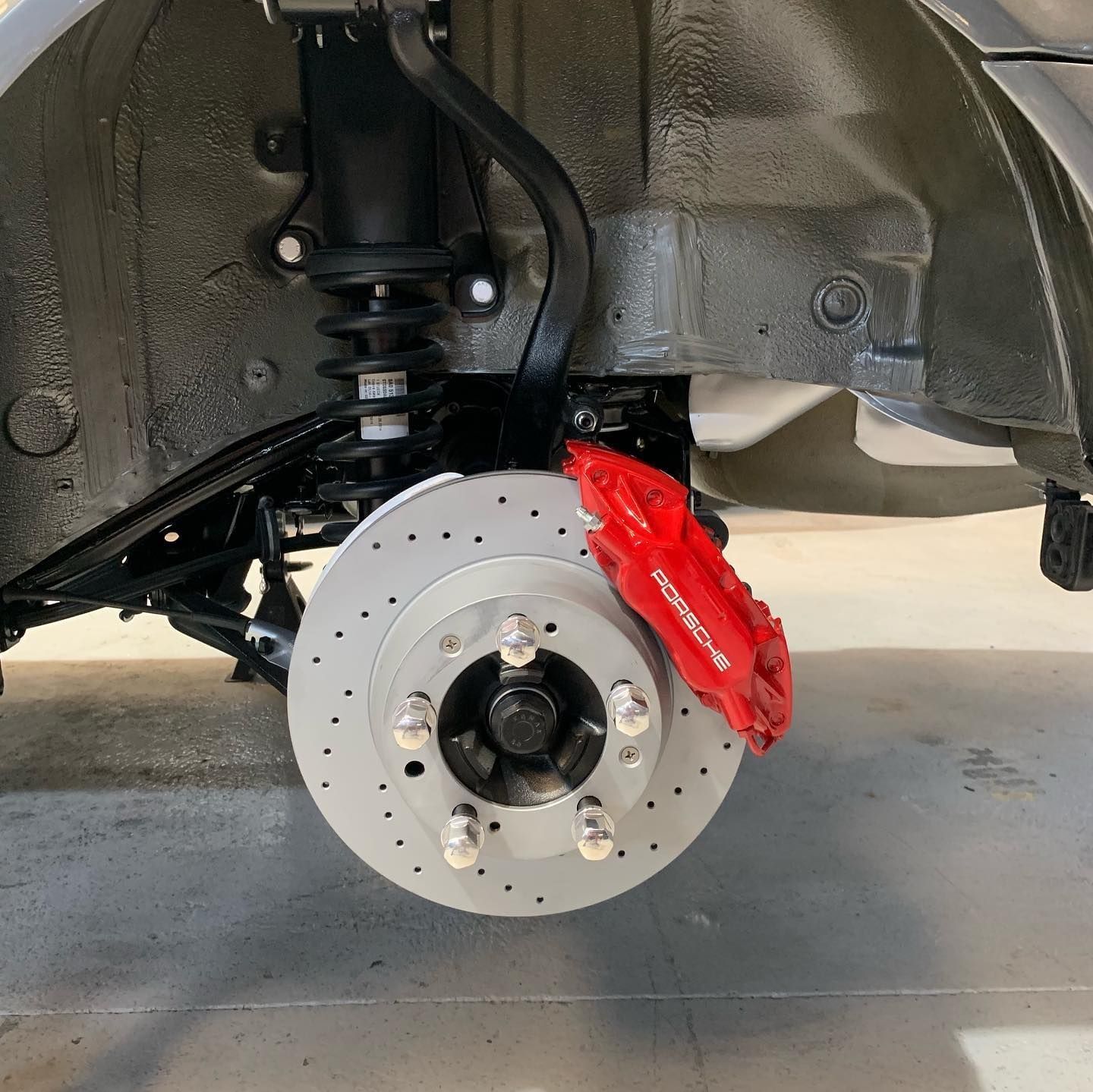
- Brakes: discs, calipers, master cylinder, hoses, servo assistance.
- Timing: belts or chains, tensioners and idlers.
- Cooling: radiator, water pump, thermostat, fans, hoses.
- Suspension, running gear and steering: dampers, bushes, ball joints, rack or steering box.
- Exhaust, carburation and injection: manifolds, silencers, carburettors, mechanical or electronic injection.
Why diagnose before any repair?
The same symptom can have several causes. A car that overheats may have a stuck thermostat, a clogged radiator, a fan that no longer cuts in or, more seriously, a head gasket failure. Replacing parts at random is costly and solves nothing.
A mechanical and electronic diagnosis first establishes the cause: reading control units on recent models, compression testing, cylinder leak-down testing, a road test and visual inspection on every car. The findings are explained to you before the quote.
Repair or rebuild?
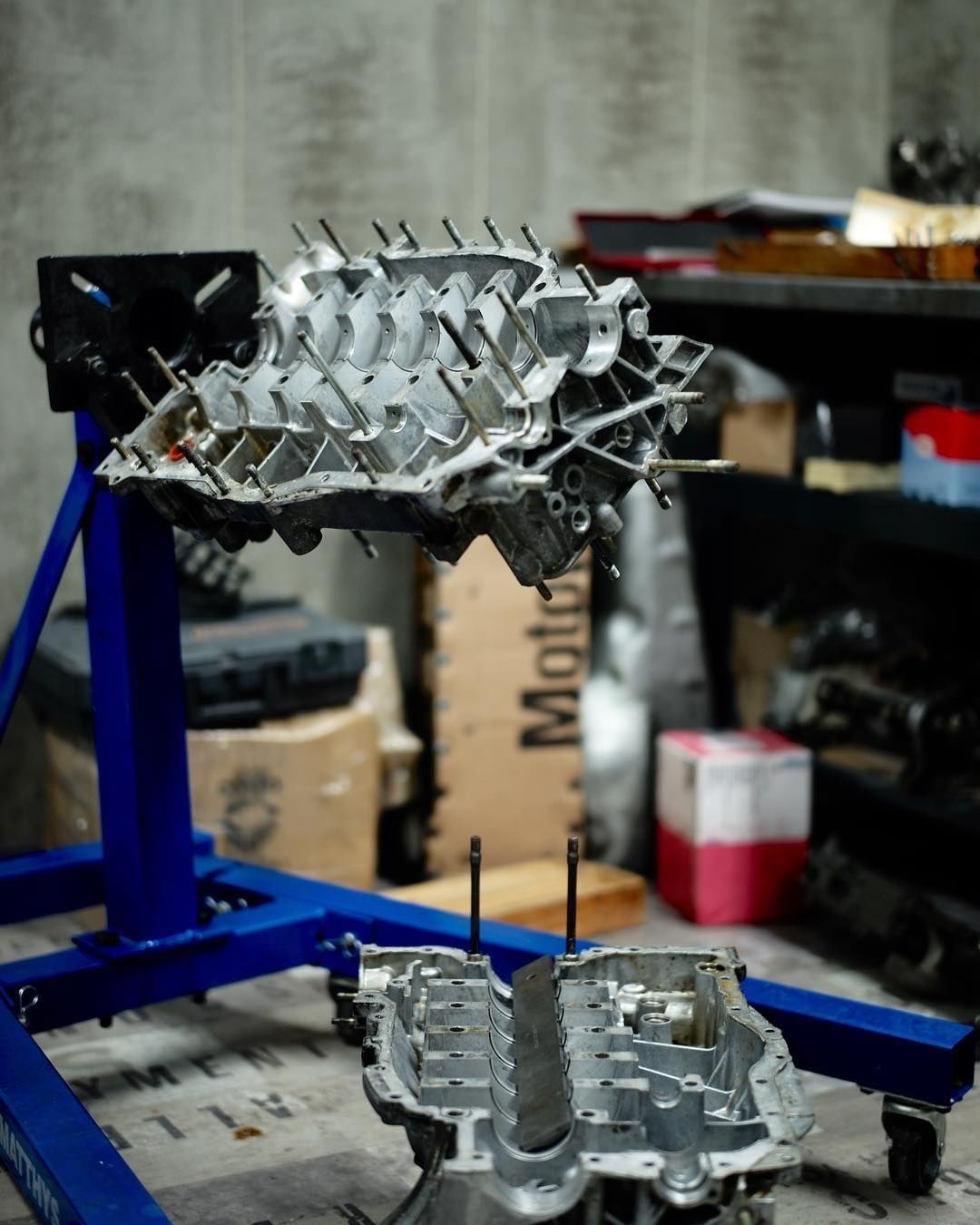
Repairing means replacing the faulty component: a seal, a pump, a bearing. Rebuilding means dismantling the whole assembly, measuring each part and replacing everything worn or out of tolerance. A rebuild is called for when wear is general, or when an isolated repair would leave the mechanics fragile. The diagnosis, together with an itemised quote, lets you choose with full knowledge.
For parts, the workshop offers original, equivalent-quality or reconditioned parts depending on the case; on some older mechanics, a remanufactured period part remains the best solution. Their origin is always stated, and spare parts have their own page.
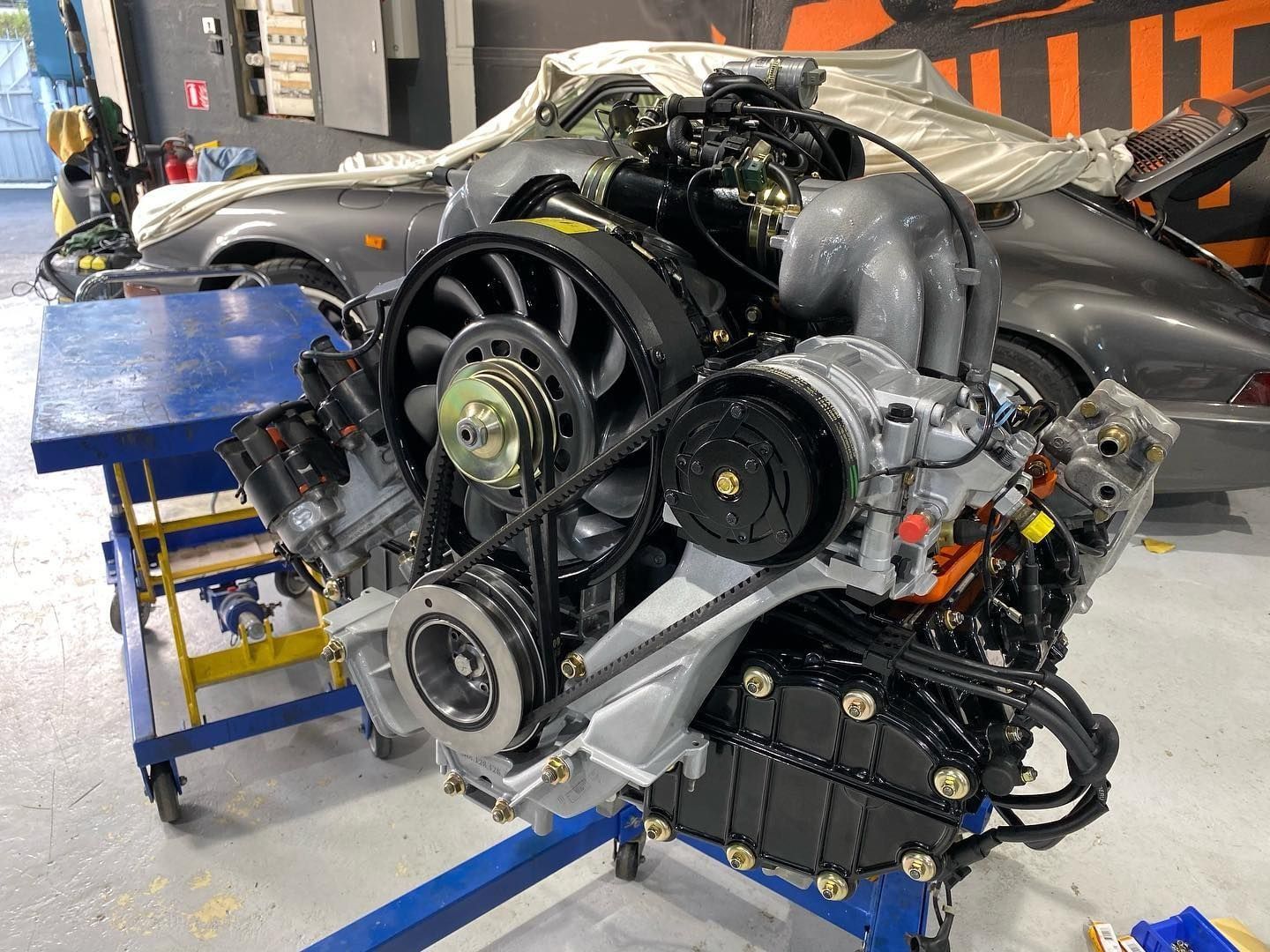
Three engines rebuilt at the workshop
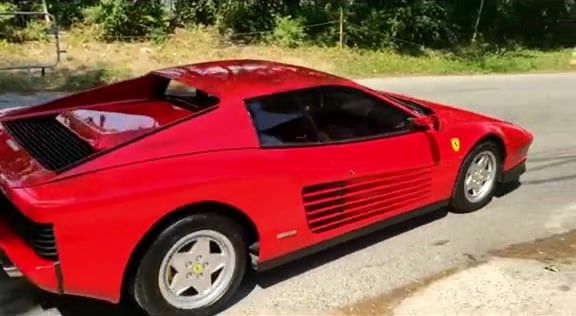
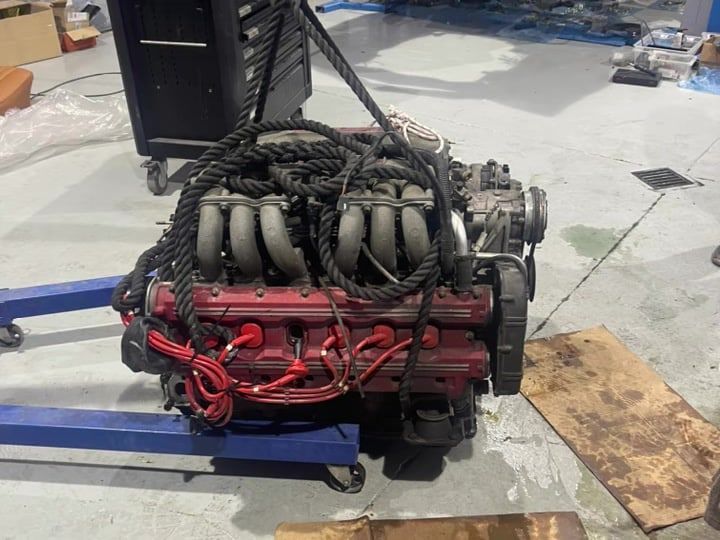
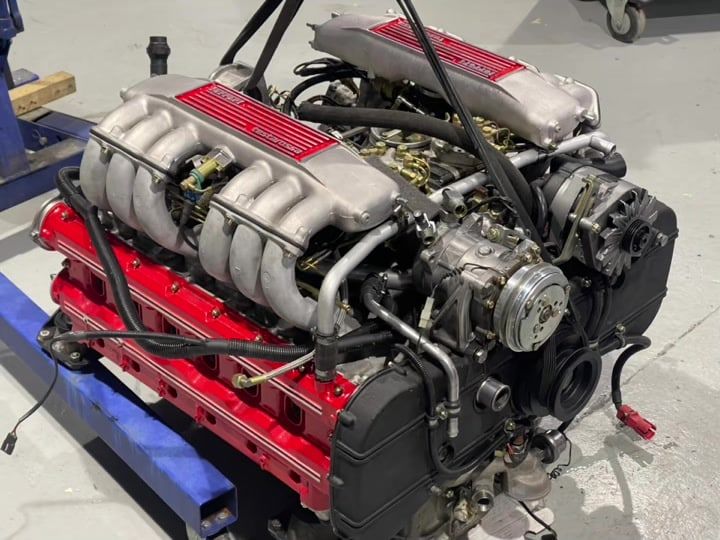
The flat twelve of the Ferrari Testarossa was removed, fully stripped, its parts reconditioned, then reassembled, refitted and signed off after a road test. On this engine, the belt-driven timing is a maintenance item in its own right: see the Ferrari cambelt service.
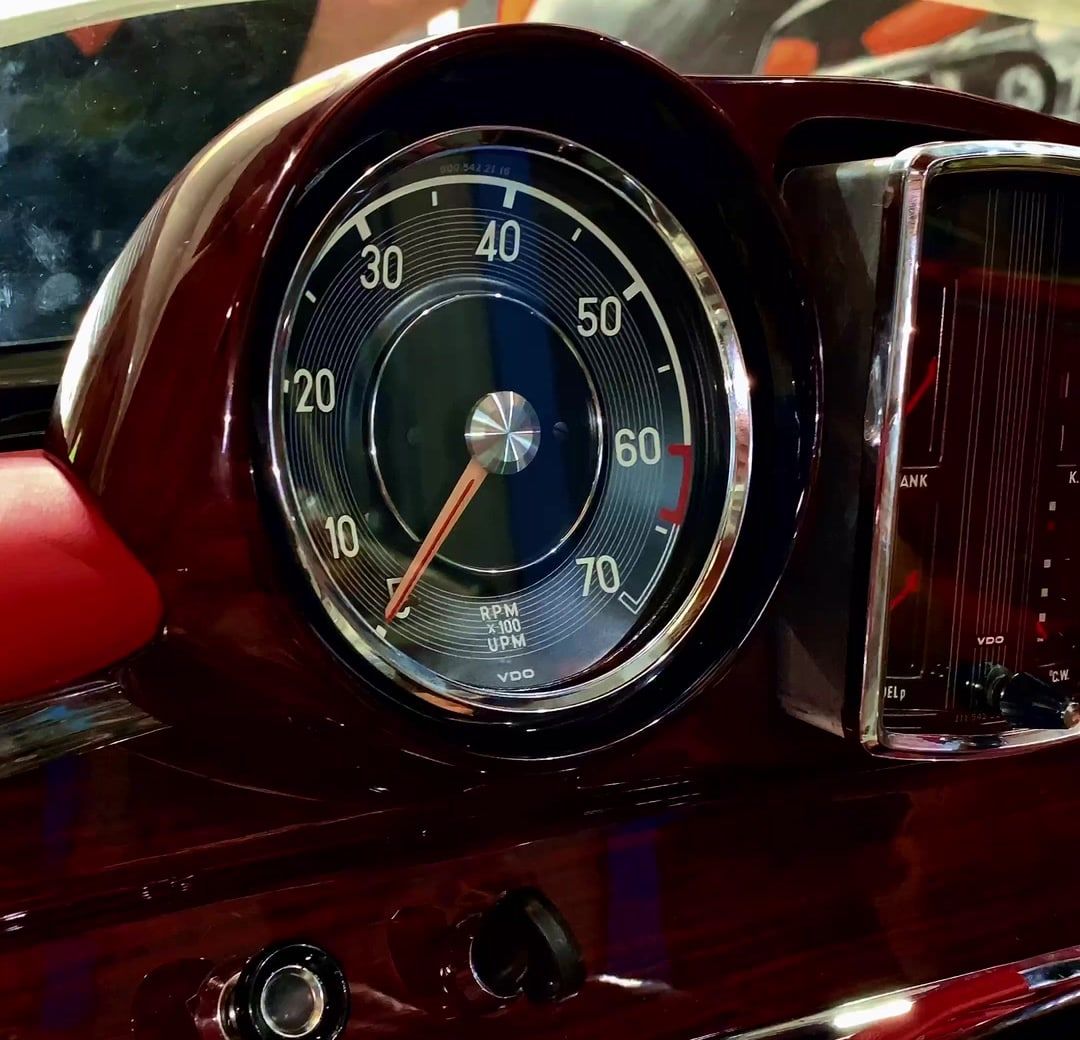
On the Mercedes 220 SEb Cabriolet, the straight-six and its Bosch mechanical injection were rebuilt, as were the gearbox, the front axle and the brake backing plates. Mechanical injection of this generation calls for patient adjustment that no diagnostic tool can replace.
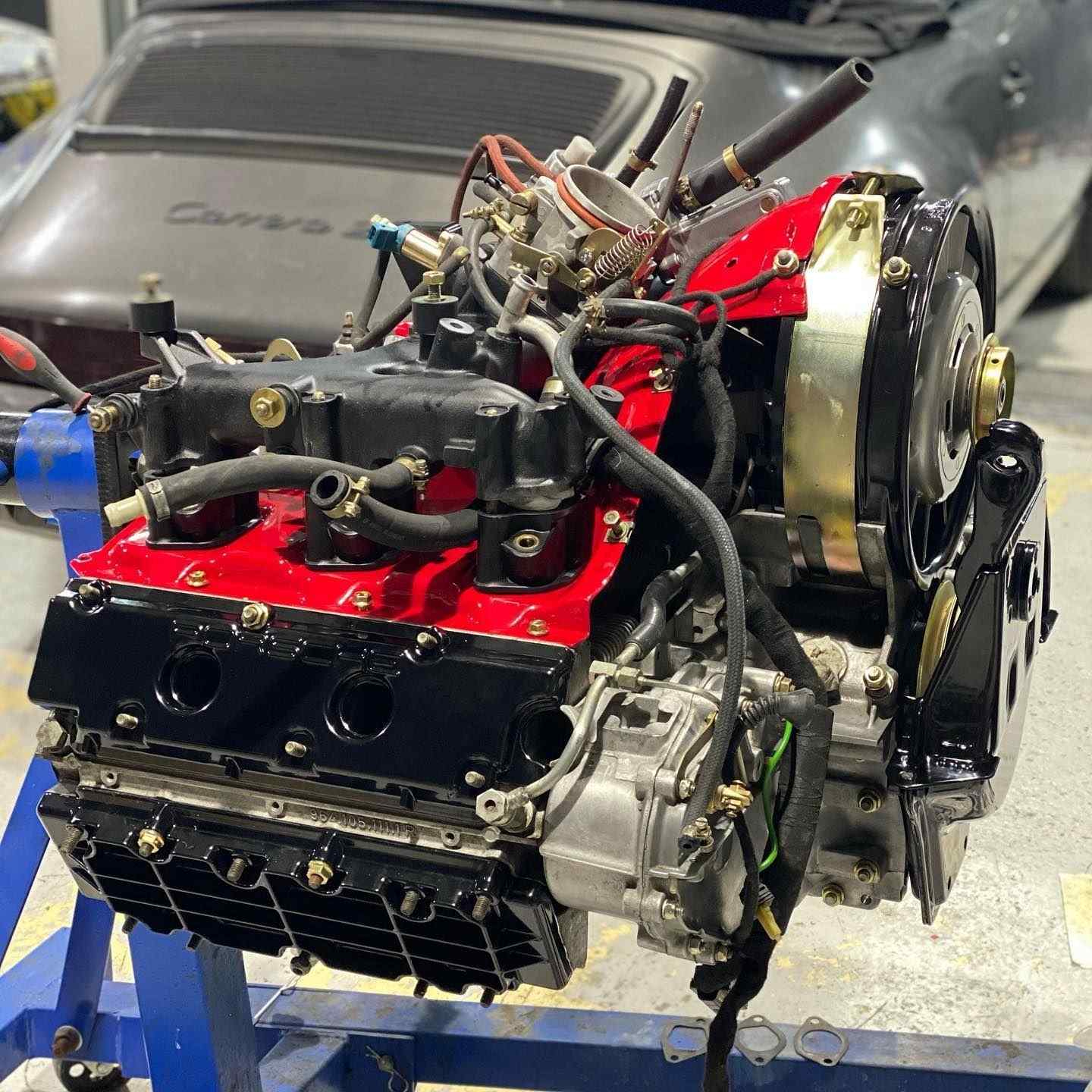
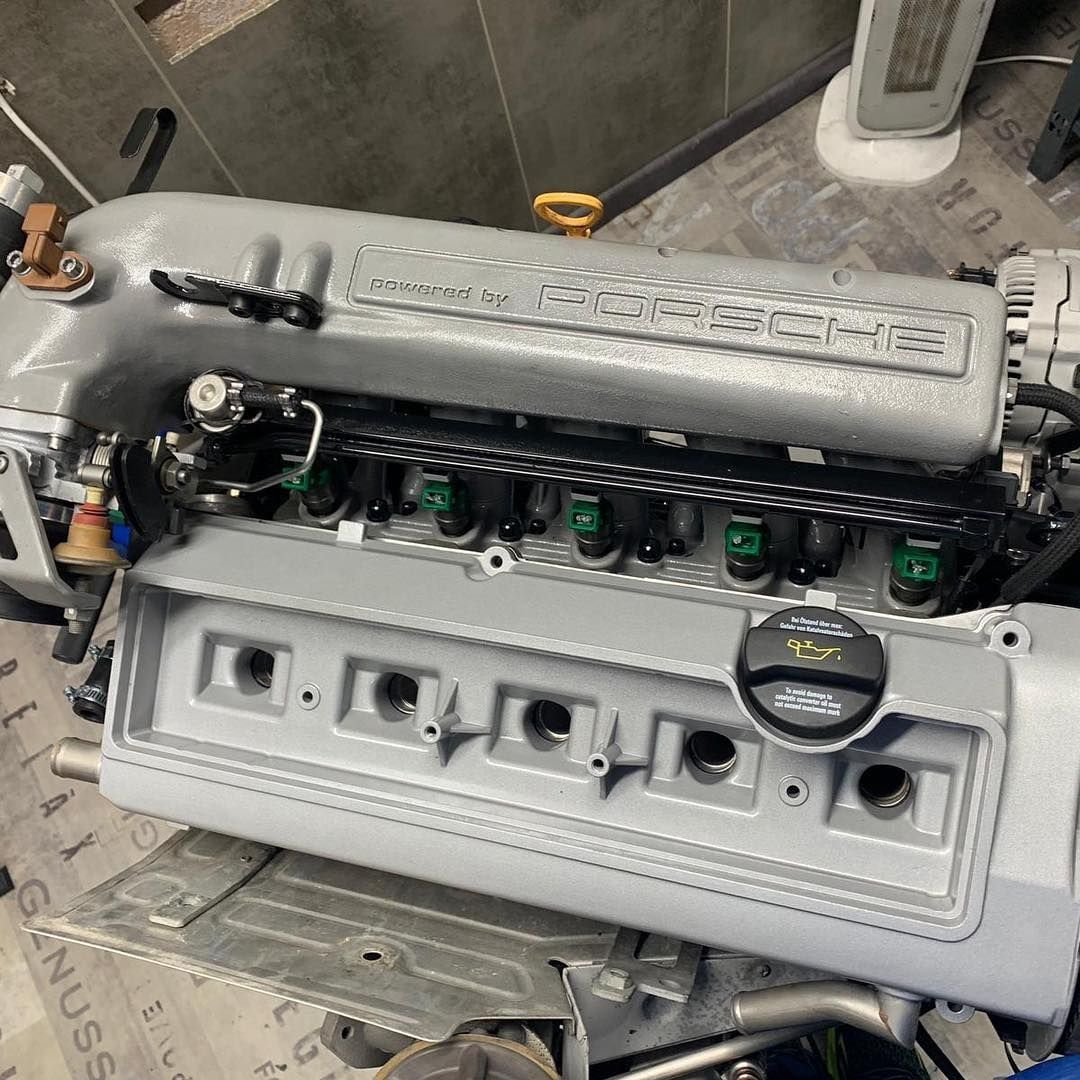
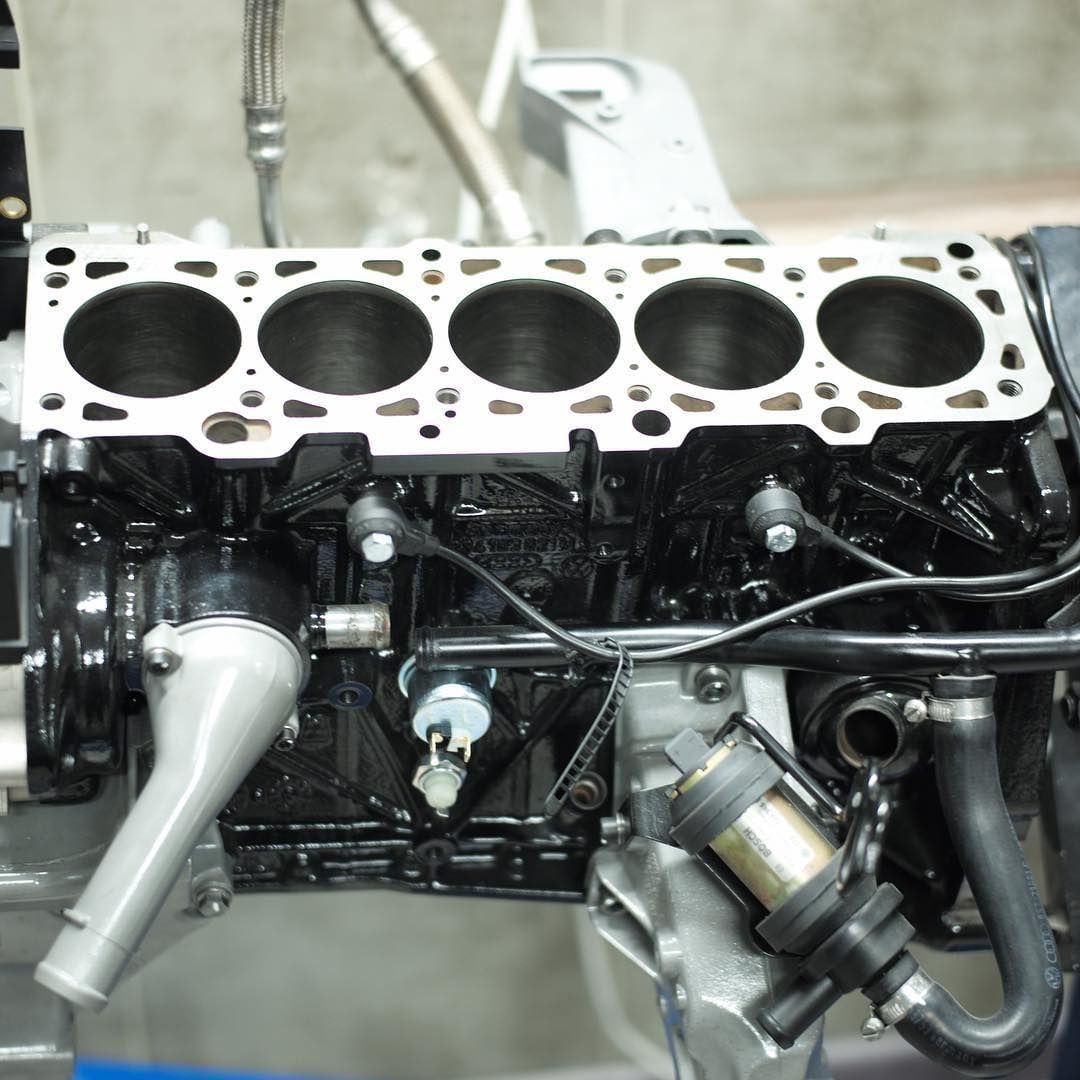
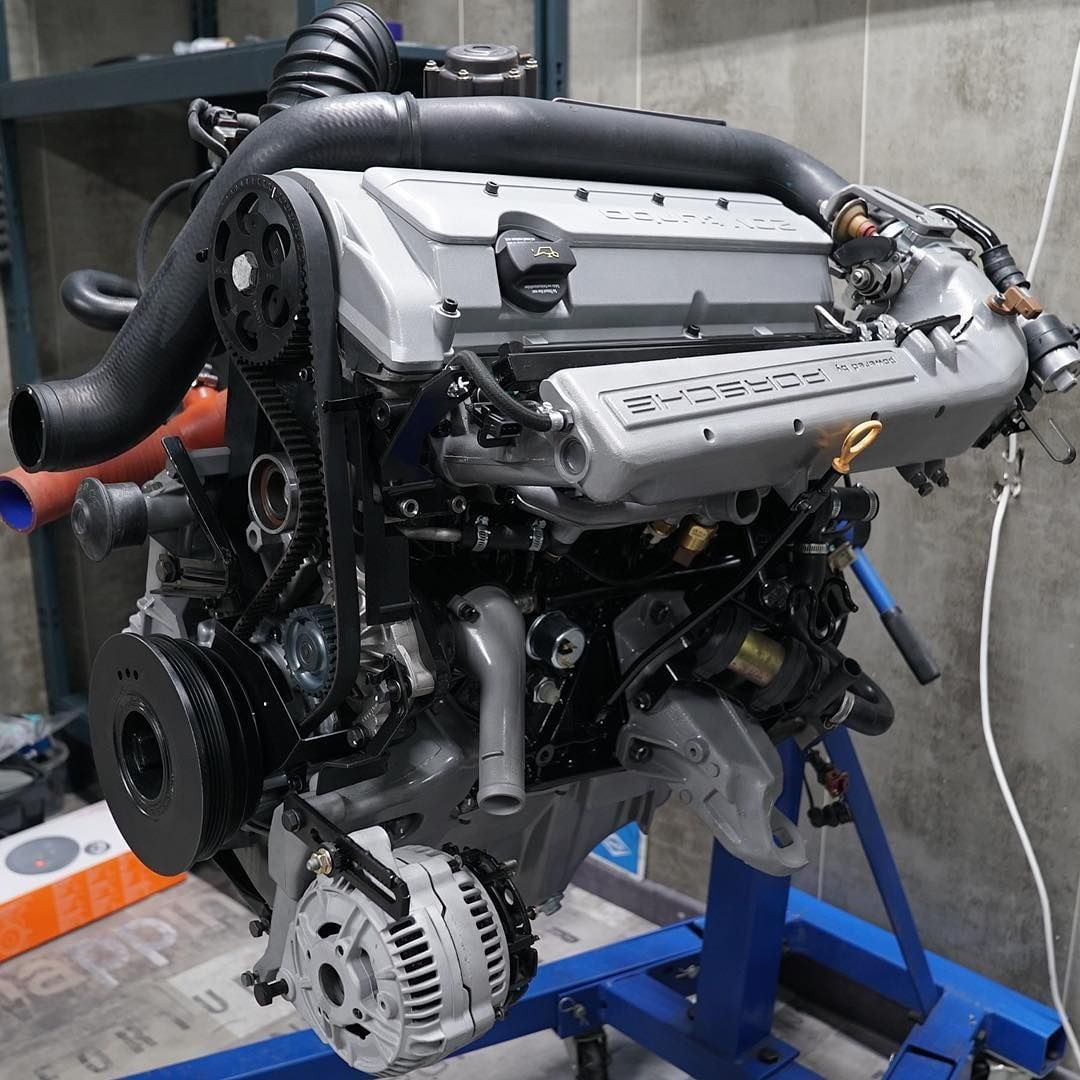
Finally, the turbocharged five-cylinder of an Audi RS2 was rebuilt at the workshop. For flat-sixes, air- or water-cooled, the Porsche engine rebuild page details the most common work.