Air-cooled Porsches, generation by generation
The 356, built from 1948 to 1965, opens the story with an air-cooled flat-four mounted at the rear. Its early bodyshell and delicate mechanics make every job a matter of precision, as our Porsche 356 page explains.
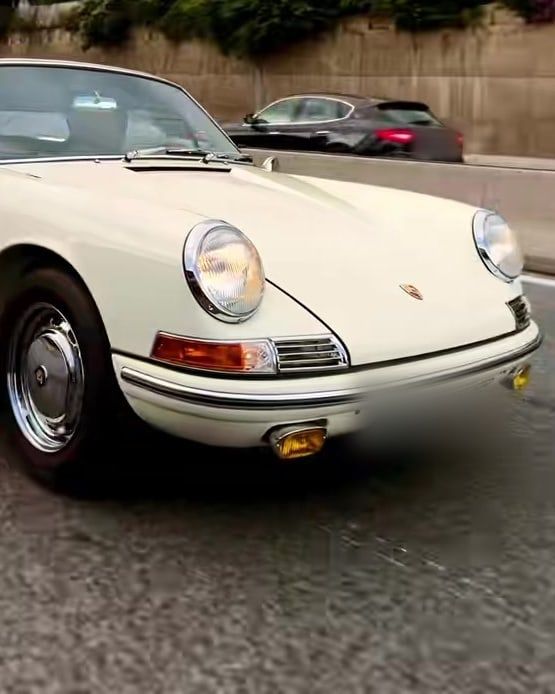
The 911 entered production in 1964 with a two-litre flat-six. The early 911s of 1964 to 1973, with their slim bumpers, precede the Carrera RS 2.7 and the G-series 911, built from 1974 to 1989 with its bellowed impact bumpers. The workshop has restored a 1967 911 S Targa “soft-window”, still with its original two-litre engine.
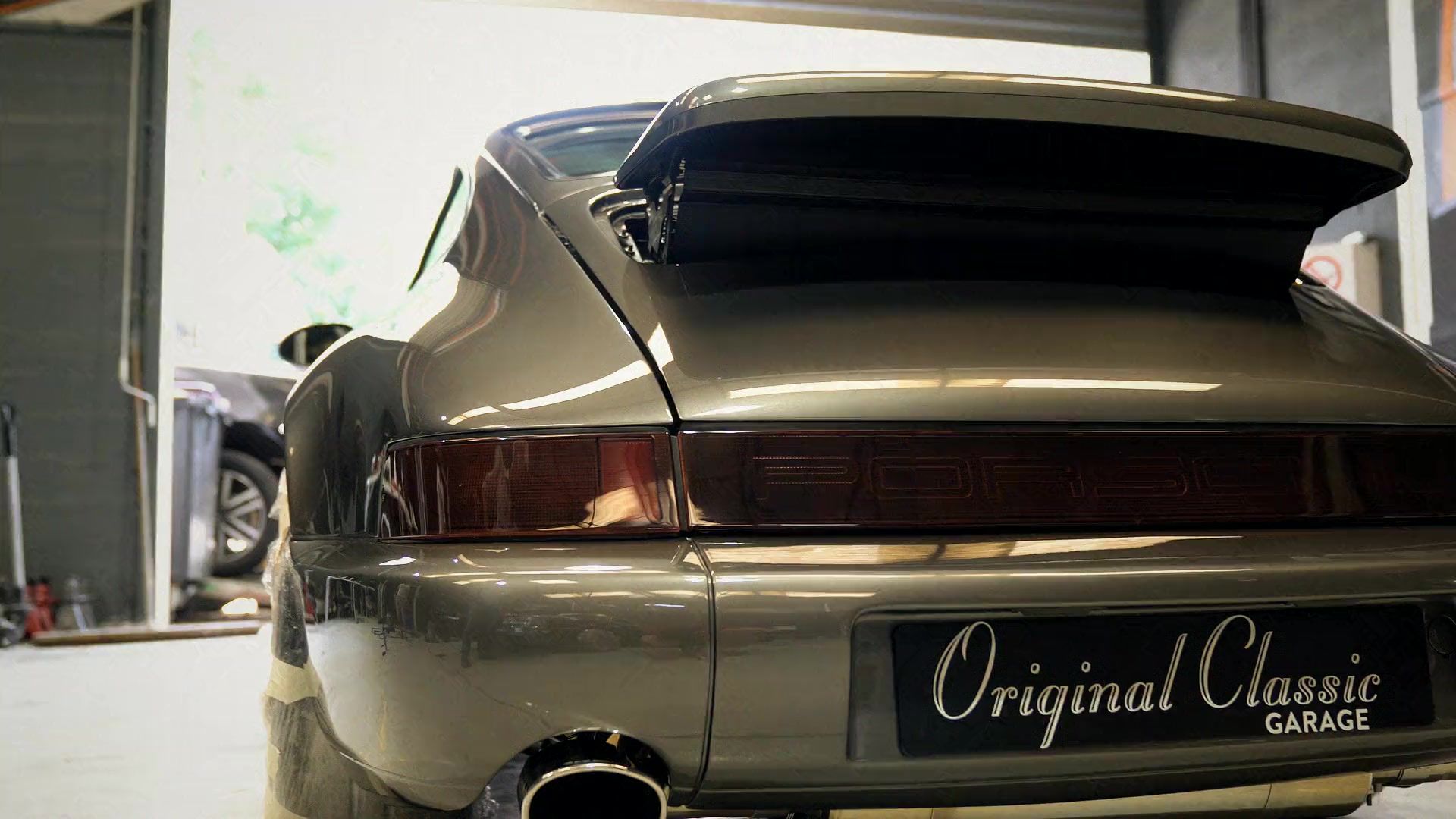
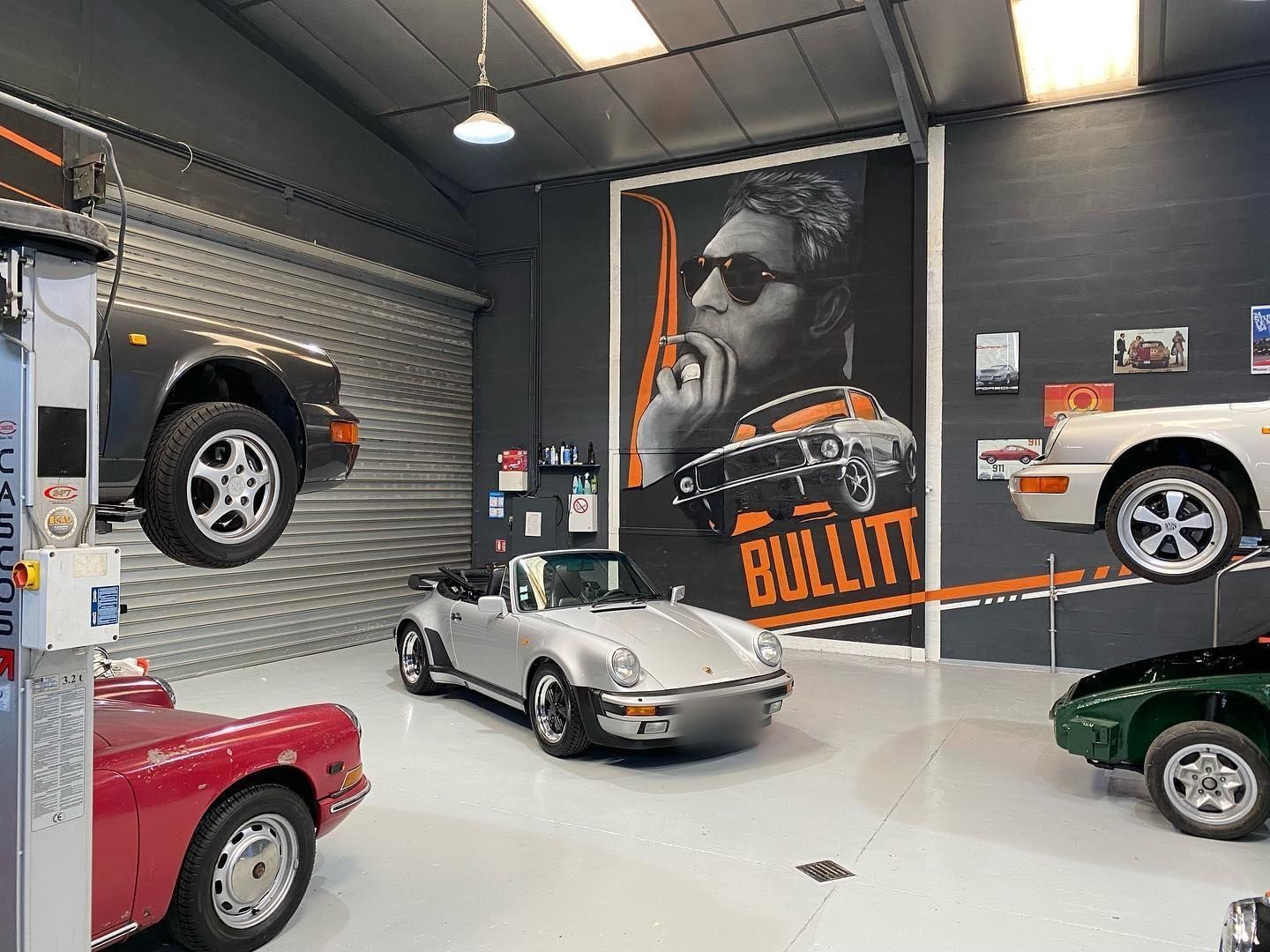
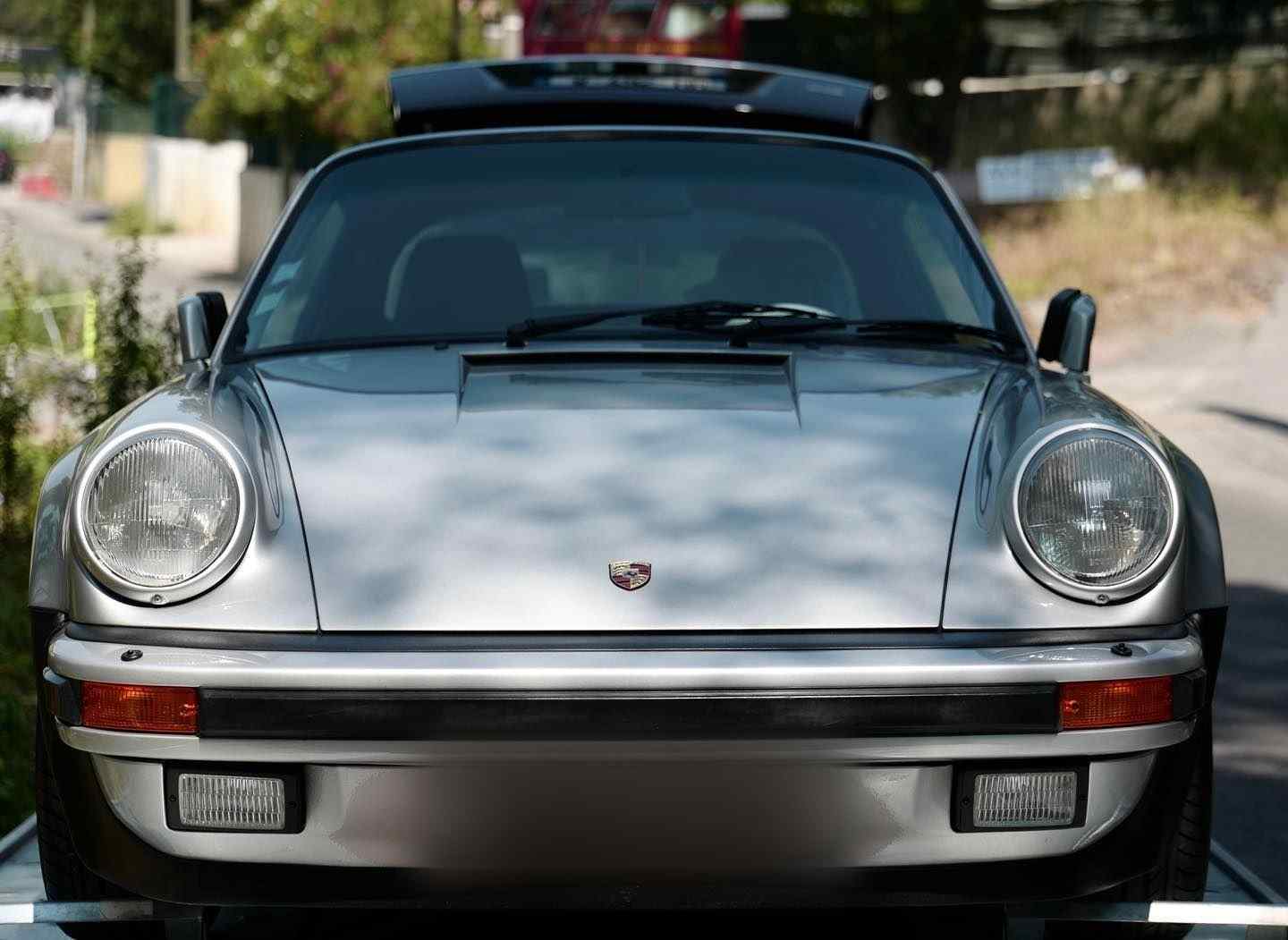
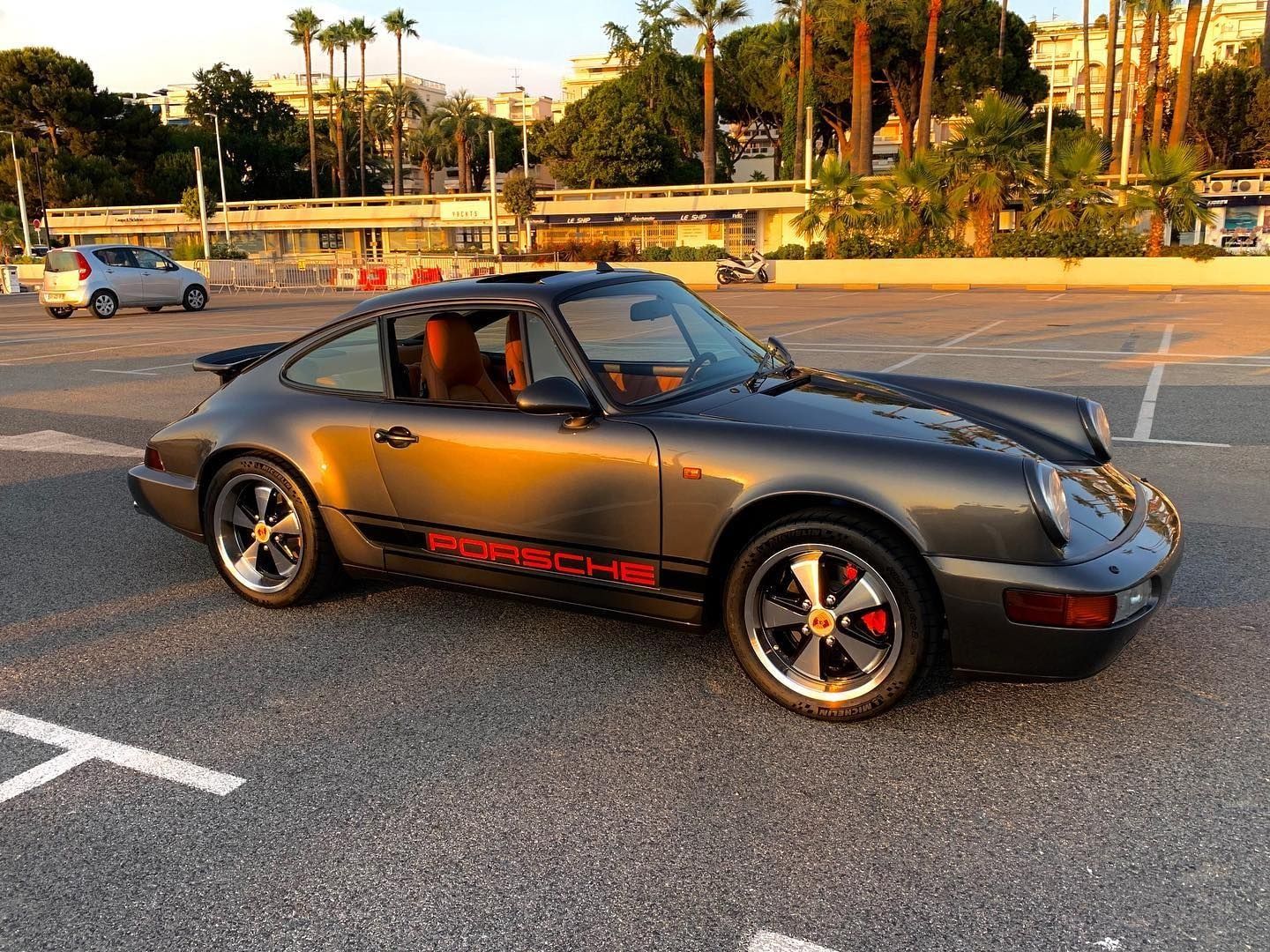
The 930 Turbo adds turbocharging and wider wings; its final year received the five-speed G50 gearbox, as on the 1989 930 Turbo Cabriolet restored at the workshop. The 964 moves to 3.6 litres and twin-plug ignition, and the Carrera 4 becomes the first production 911 with all-wheel drive: our 964 Carrera 4 is one example. The 993, from 1994 to 1998, closes the air-cooled era.
From the 996 to the 992, Cayenne, Macan, Panamera and Taycan
With the 996, unveiled in 1997, the 911 became water-cooled; the 997, 991 and 992 followed. The Boxster, launched in 1996, and later the Cayman share this engine family. The points to watch change: cooling, electronics and, on the M96 and M97 engines, the intermediate shaft bearing mentioned above.
The Cayenne (2002), Panamera (2009) and Macan (2014) took Porsche into SUVs and grand touring saloons; they are received for servicing, mechanical work, brakes and upholstery. For a Taycan, which is electric, inspection comes before any estimate, and work on the high-voltage system is assessed case by case.
What the workshop does for every Porsche
The work changes from one generation to the next; the method stays the same: inspection, itemised estimate, photographs at each stage, a detailed invoice.
- Porsche servicing to the manufacturer’s schedule, from the 356 to current models.
- Classic Porsche restoration: bare-metal shell, panel work, paint, mechanics and interior.
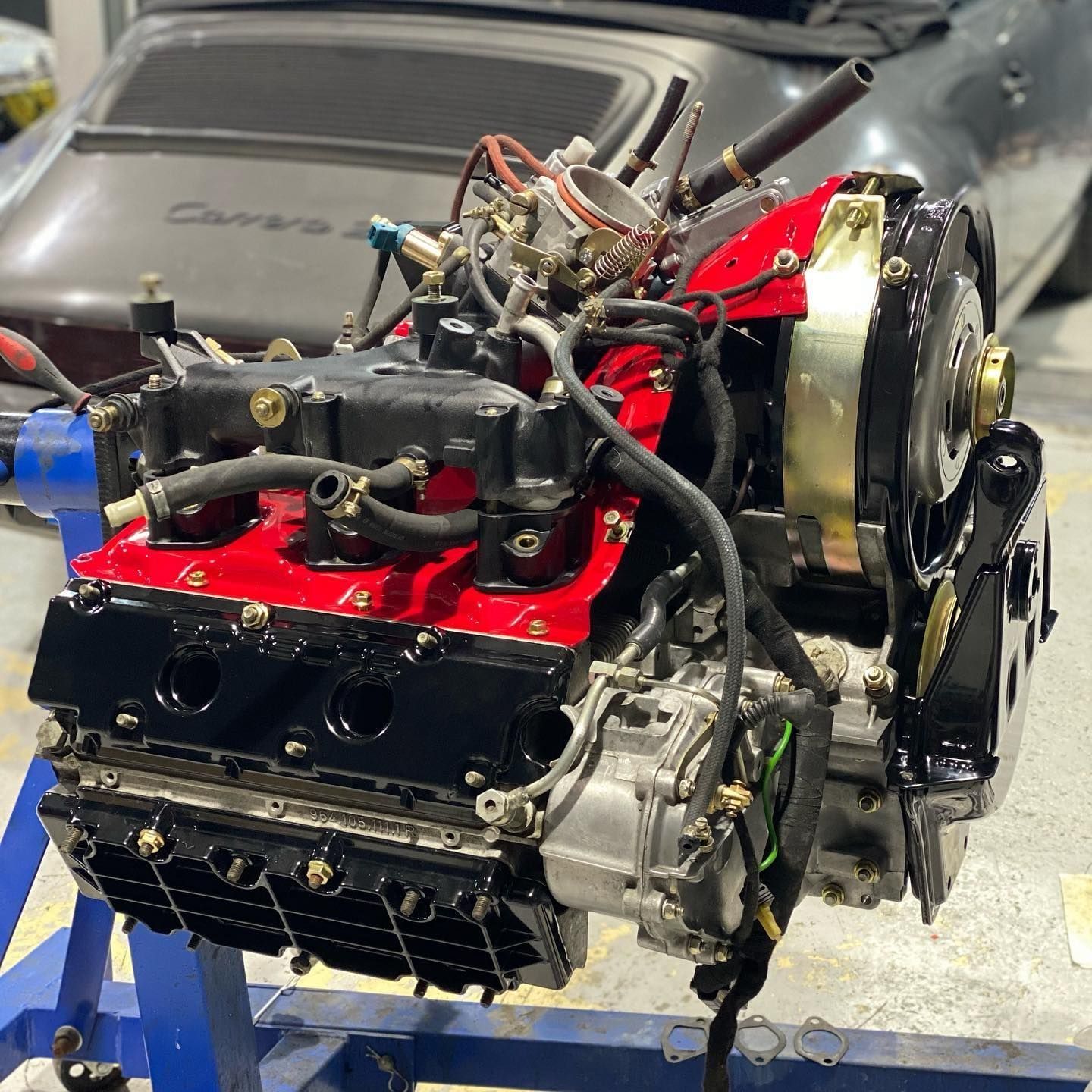
- Engine rebuilds of air-cooled and water-cooled flat-sixes and of the 356 flat-four.
- Gearbox work on the 901, 915, G50 and automatic, and Porsche clutch replacement.
- Porsche brakes: calipers, discs, hoses and fluid.
- Bodywork and paint in the original colour.
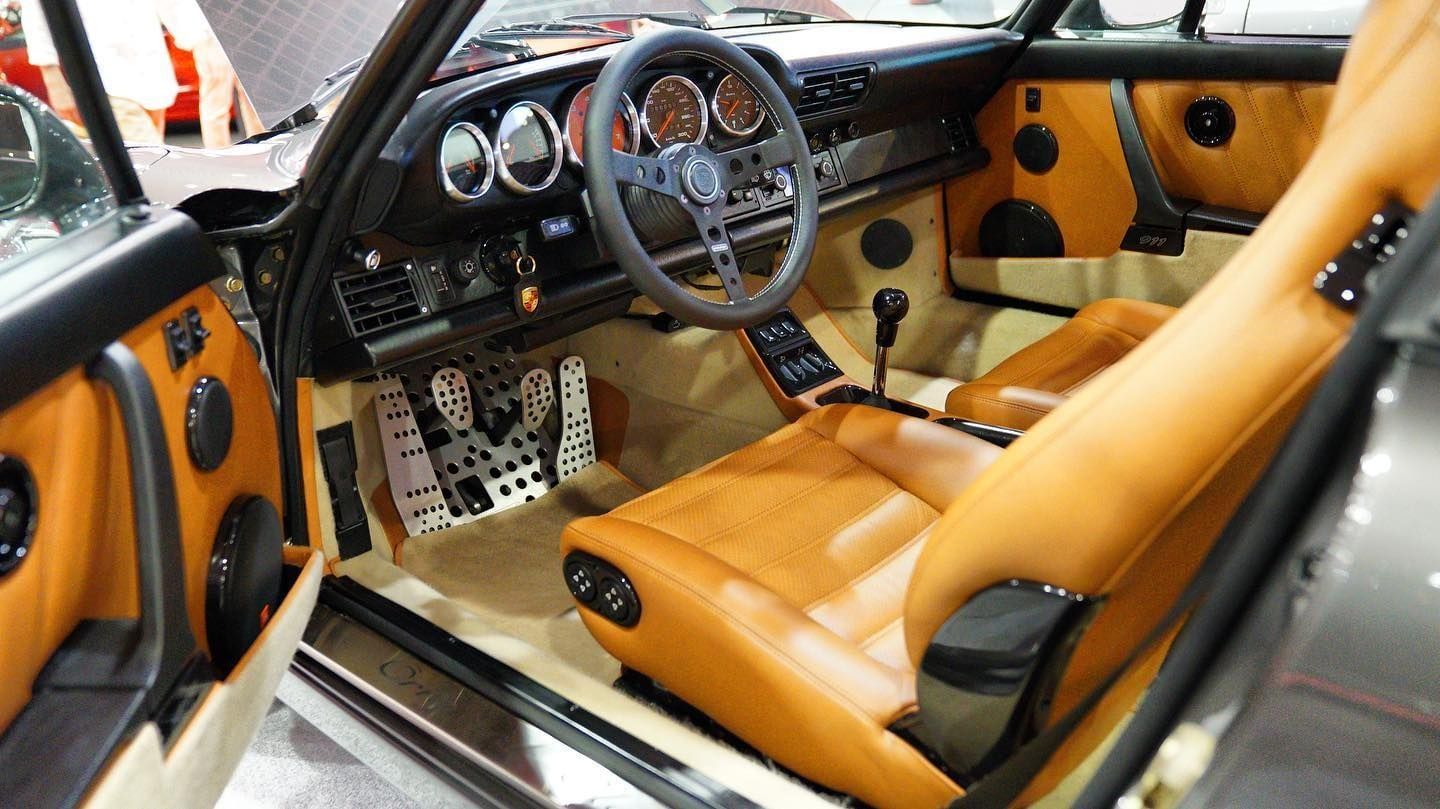
- Porsche upholstery, made entirely in-house: leather, Pepita fabric, carpets.
- Electronic diagnostics and mechanical inspection before any estimate.
An independent Porsche specialist for all of Europe
Original Classic And Luxury Cars is neither a Porsche Centre nor a member of the Porsche Classic Partner network, and is not affiliated with Porsche AG. Being independent means choosing, line by line, between original, equivalent-quality or reconditioned parts, with their origin always stated.
Owners come from across Europe: a first opinion can be given from photographs and video, and our European clients page explains how a project is handled remotely.